
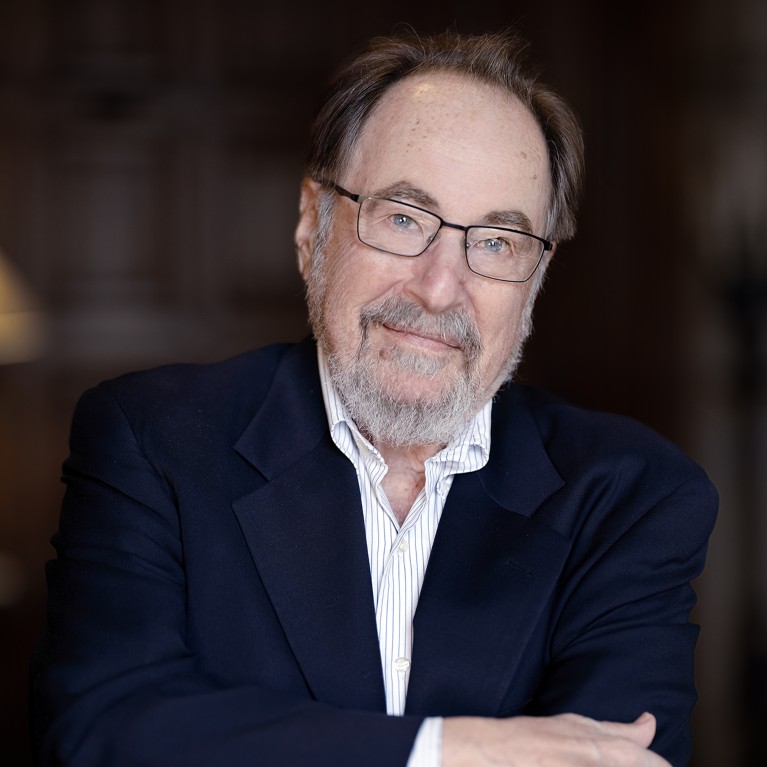
David Baltimore obituary: virologist whose enzyme discovery transformed understanding of cancer and HIV/AIDS
Summary
David Baltimore, a giant of virology and molecular biology, has died aged 87. He co-discovered reverse transcriptase in 1970 — the enzyme that makes DNA copies from RNA — a finding that overturned aspects of the central dogma and helped define retrovirology. Baltimore shared the 1975 Nobel Prize in Physiology or Medicine with Howard Temin and Renato Dulbecco for work that explained how RNA viruses can insert durable DNA copies into host genomes.
Reverse transcriptase became a foundational tool for molecular biology: it enables cDNA synthesis from RNA and underpins techniques from RT–PCR to RNA sequencing. Baltimore’s lab also uncovered replication mechanisms of other viruses, identified oncogenes such as v-abl (leading to understanding of c-ABL and targeted therapies like imatinib), and made lasting contributions to cancer biology and virology.
Key Points
- Baltimore discovered reverse transcriptase (1970), revealing that RNA genomes can be copied into DNA and challenging the one-way view of the central dogma.
- His discovery explained how retroviruses persist in infected cells and paved the way for modern molecular tools that convert RNA to DNA (cDNA), crucial for diagnostics and research.
- He shared the 1975 Nobel Prize with Howard Temin and Renato Dulbecco for these transformative insights into virus biology.
- Baltimore’s work identified cancer-causing genes (for example v-abl) and connected viral oncogenes to human cancers, informing targeted therapies such as Gleevec (imatinib).
- Beyond the laboratory, Baltimore was a major figure in science advocacy and training, influencing generations of researchers and shaping modern biomedical research.
Content summary
The obituary, written by Stephen Goff, outlines Baltimore’s life and scientific achievements: his education and early career, the experiments leading to the identification of reverse transcriptase, and subsequent research on viral replication and oncogenes. It emphasises how reverse transcriptase transformed both basic biology and practical laboratory methods, and notes the direct clinical impact of linking viral oncogenes to human disease and targeted cancer treatments.
The piece also situates Baltimore’s discovery in historical context—how it validated Howard Temin’s ideas and required a willingness to question established dogma—and it highlights Baltimore’s broader legacy in virology and molecular biology.
Context and relevance
Baltimore’s discovery remains central to many modern biomedical trends: diagnostic tests (RT–PCR), RNA sequencing, study of retroviruses (including HIV), and the molecular logic used to develop targeted cancer therapies. In an era when RNA-based technologies (vaccines, therapeutics, diagnostics) are prominent, his work explains the biochemical basis for converting RNA into analysable and manipulable DNA. The obituary reminds readers why foundational discoveries from the 1970s still shape labs, clinics and biotech today.
Author style
Punchy. The obituary is concise but authoritative: it highlights key experiments and outcomes, links discoveries to clinical advances, and underscores Baltimore’s outsized influence. If this topic matters to you (virology, molecular biology or medical history), the write-up cuts to the essentials and makes the case that his work is still driving science and medicine.
Why should I read this?
Because this isn’t just a life story—it explains why so much of modern molecular biology actually works. Want to know who gave us the tool that lets labs turn RNA into DNA (and why that matters for everything from HIV research to RNA vaccines and diagnostics)? This short obituary does the heavy lifting, so you don’t have to dig through textbooks.