
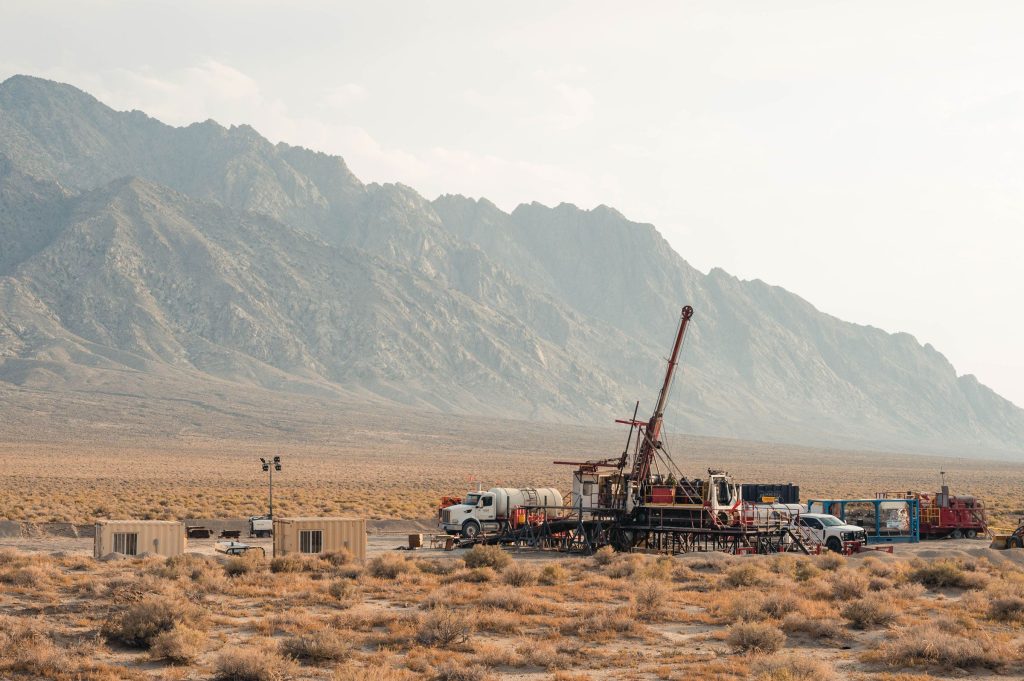
A Startup Says It Has Found a Hidden Source of Geothermal Energy
Summary
Zanskar, a geothermal startup, says it has used AI and large geological datasets to identify a previously hidden (blind) geothermal system in Nevada that could be commercially viable for a power plant. The company claims this is the first industry discovery of its kind in decades and positions the find as evidence that modern data-driven methods can systematically de-risk blind geothermal exploration.
Key Points
- Zanskar applies AI to vast geological datasets (fault patterns, conductivity, etc.) to spot likely blind geothermal systems.
- The company reports a discovery in Nevada that preliminary drilling suggests could produce electricity — a rare industry-confirmed blind system in recent decades.
- Blind systems are deep underground with no surface signs; historically most finds were accidental or government/academic-led.
- Further drilling and tests are needed to determine reservoir size, flow rate and the actual power potential of the site.
- Enhanced geothermal systems (EGS) are getting publicity, but finding natural blind systems could be simpler, cheaper and carry different trade-offs to EGS.
- Experts suggest the US blind-system potential may be much larger than earlier government estimates — possibly tens to hundreds of gigawatts if new drilling technologies advance.
Content Summary
The article explains why blind (or hidden) geothermal systems are hard to find: they lack surface indicators and require triangulation from indirect data. Zanskar builds on decades of academic work — including research by James Faulds and a DOE‑funded team — by automating and scaling analysis with AI to prioritise drilling targets. The announced Nevada finding follows years of site data collection and represents a step beyond hotspot identification: the firm has begun the costly work of drilling to test whether heat and flow are sufficient for power generation. While the discovery is promising, the company and independent geologists caution that more tests are required to confirm how much power the reservoir could supply.
Context and Relevance
This comes as geothermal is enjoying renewed attention alongside EGS projects. EGS — which deliberately fractures rock to create reservoirs — has won major deals and headlines, but it adds engineering complexity, water needs and some seismic risk. Zanskar’s approach aims to find naturally occurring reservoirs that require simpler development. If blind systems are as abundant as some experts now argue, they could significantly expand baseload renewable capacity in the western US without the additional steps EGS requires. For policy makers, utilities and investors, a reliable, data-driven method to locate commercially viable blind systems could shift where and how geothermal projects are pursued.
Why should I read this?
Because this isn’t just another energy startup press release — it’s a potential shortcut to lots more clean, always-on power. If Zanskar’s method actually scales, it could mean less guesswork, fewer crazy drilling bills, and more geothermal coming online without the fuss of engineered reservoirs. Short version: worth a quick skim if you care about real renewables that run 24/7.
Source
Source: https://www.wired.com/story/startup-found-hidden-source-geothermal-energy/