
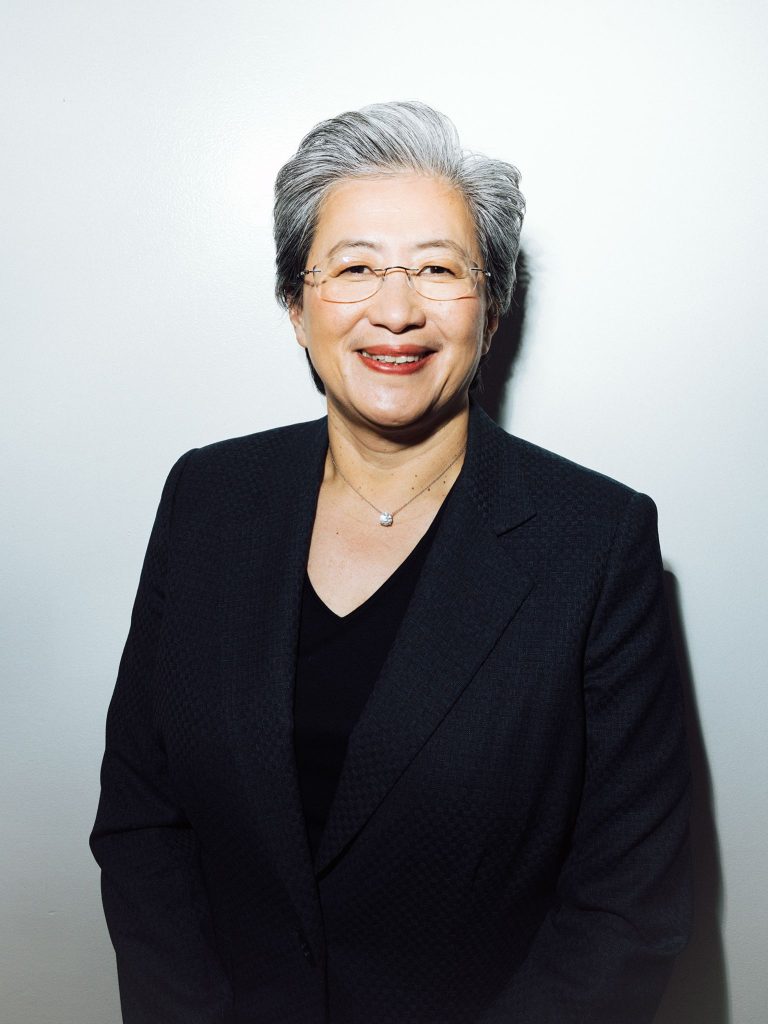
AMD CEO Lisa Su Says Concerns About an AI Bubble Are Overblown
Summary
At WIRED’s Big Interview event, AMD CEO Lisa Su dismissed the idea that AI is a bubble, saying emphatically that demand for AI chips will continue to grow. Su outlined AMD’s push to supply GPUs for the expanding fleet of AI data centres, highlighted a major multi-year deal with OpenAI (6 gigawatts of Instinct GPUs and a share purchase that gives OpenAI a material stake), and acknowledged past export hurdles: US restrictions on MI308 chips cost AMD about $800m and resumed shipments to China will incur a 15% tax. Su says her main worry isn’t rivals like Nvidia, Google or Amazon, but moving faster on innovation because AI is still in its infancy and the next generation of models will need more compute.
Key Points
- Lisa Su said, “Emphatically, from my perspective, no,” when asked whether AI is a bubble.
- Under Su’s leadership AMD’s market cap grew dramatically, positioning the company as a serious AI-chip supplier.
- AMD struck a large deal with OpenAI to deploy 6 gigawatts of Instinct GPUs; OpenAI can also buy shares that amount to roughly a 10% stake.
- US export restrictions on MI308 chips previously hit AMD’s revenue; resuming shipments to China will include a 15% tax and earlier restrictions cost around $800m.
- Su says the real challenge is accelerating innovation speed rather than worrying about competitors.
- She believes AI is still early-stage and future, more powerful models will drive sustained chip and data-centre demand.
Why should I read this?
Short version: Lisa Su isn’t blowing hot air. If you care about chips, cloud infrastructure or where AI spending actually goes, this is worth two minutes. She runs AMD, backed its turnaround, and says the market is scaling — not popping. Handy if you want the CEO view without wading through hype and market panic.
Context and relevance
This interview matters because it comes from a key industry player during a pivotal moment for AI infrastructure. AMD’s deals and strategy affect supply for AI model training and inference, influence data-centre build-outs, and have geopolitical implications (export controls and China sales). For investors, engineers and policymakers, Su’s stance signals continued hardware demand and the importance of innovation cadence over short-term market scepticism.
Source
Source: https://www.wired.com/story/big-interview-event-lisa-su-amd/