
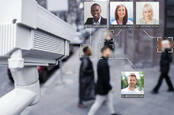
UK pushes ahead with facial recognition expansion despite civil liberties backlash
Summary
The Home Office has opened a consultation proposing a dedicated statute to govern live facial recognition and a wider class of “biometric and inferential technologies.” Ministers argue the current mix of common law and data-protection rules is fragmented and prevents lawful, consistent national deployment. The proposal would clarify when watchlists can be built, who can authorise deployments, retention periods for biometric data, and independent oversight arrangements.
The government points to Metropolitan Police figures that link facial-recognition use to around 1,300 arrests over two years and has recently invested millions in capability and rollout. Critics — including civil-liberties campaigners such as Big Brother Watch — warn the plan paves the way for mass surveillance, noting millions of scans of innocent people and warning of substantial privacy erosion if live systems become ubiquitous.
Key Points
- Home Office consultation seeks a single legal framework for live facial recognition and broader biometric technologies.
- Ministers claim facial recognition has supported arrests (around 1,300 over two years) and argue clearer powers are needed for national use.
- Government spending includes millions already invested in national facial-matching systems and further allocations for rollout and evaluation.
- Proposed statute would set rules on watchlist creation, authorisation, retention periods, and independent oversight.
- Civil-rights groups warn expansion risks turning public spaces into biometric dragnets; Big Brother Watch highlights millions of scans of innocent people.
- Industry voices say the tech can be effective but stress the need for strict data-handling, GDPR compliance and safeguards.
Context and Relevance
This is a significant development in UK policing and surveillance policy. The move from a patchwork legal approach to a unified statute would make it much easier for police and other actors to scale facial-recognition deployments nationwide — with implications for privacy, data-protection compliance and public life. The story intersects with broader trends: growing government investment in biometric tools, debates over algorithmic oversight, and increasing commercial use of live recognition in retail and transport hubs. For legal teams, privacy officers, civil-liberties groups and police technologists, the consultation signals a fast-moving policy area that could reshape everyday public spaces.
Why should I read this?
Because this isn’t just another tech policy paper — it’s the blueprint that could normalise being scanned on the high street. If you care about privacy, policing, or how public spaces will be monitored, this consultation matters. We’ve read the detail so you don’t have to: it shows the government wants clearer powers, critics say that’ll mean more cameras and more scans, and whichever side you favour this will affect how the UK regulates biometric tech for years to come.
Source
Source: https://go.theregister.com/feed/www.theregister.com/2025/12/05/uk_cops_facial_recognition/