
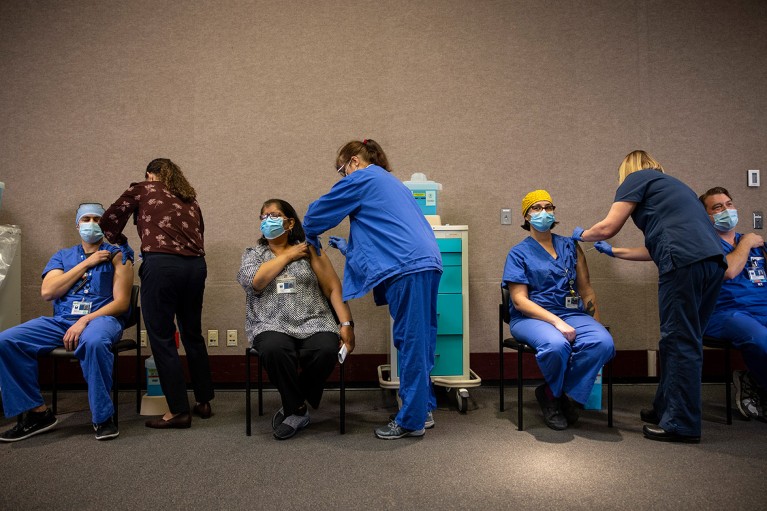
Five years of COVID vaccines: how a breakthrough created a public-heath crisis
Article Meta
Article Date: 08 December 2025
Article URL: https://www.nature.com/articles/d41586-025-03992-8
Article Image: 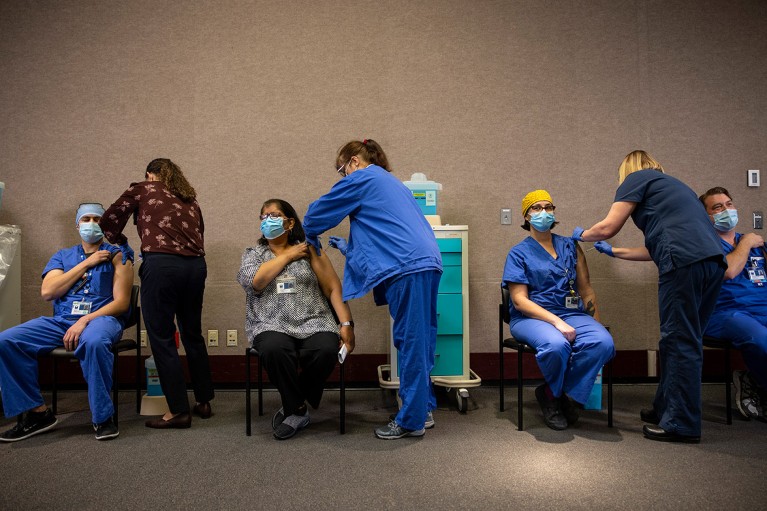
Summary
This interview with physician and communicator Kristen Panthagani reflects on five years since the first COVID-19 vaccine roll-out. It highlights the success of rapid vaccine deployment — more than 13.6 billion doses delivered and the WHO ending the public-health emergency — alongside worrying downstream effects: falling public trust in vaccines, increased spread of misinformation, misunderstandings about vaccine effectiveness, and unequal global access.
Key Points
- Over 13.6 billion COVID-19 vaccine doses have been administered since December 2020, and rapid roll-out helped bring the pandemic under control.
- Public trust in vaccines has declined since the pandemic, affecting uptake of routine immunisations (for example, measles coverage risks falling below herd-immunity levels).
- Misinformation has amplified during and after the pandemic; inconsistent or poor communication from public-health bodies worsened confusion.
- Terminology and messaging (for example, implying vaccines grant perfect “immunity”) led to unrealistic expectations and resentment when breakthrough infections occurred.
- Global inequities in vaccine access remain a problem, compounding declines in coverage and health-system challenges in many regions.
- Experts argue for clearer communication, early acknowledgement of uncertainty, consistent authoritative voices, and efforts to rebuild trust in science and public-health institutions.
Content summary
Panthagani notes that while the speed and scale of vaccine development were extraordinary and saved lives, the way information was communicated during the pandemic created long-term trust issues. Mixed messages about vaccine protection and boosters, plus louder and more mainstream misinformation, have undermined confidence in other vaccination programmes. The piece stresses the need to learn from these errors: be transparent about limits and uncertainties, unify clearer scientific messaging, and address global access gaps to prevent further public-health setbacks.
Context and relevance
This article matters because declining vaccine confidence affects more than COVID-19 policy — it puts routine immunisation programmes at risk, raising the possibility of resurgent diseases such as measles. The interview ties into wider debates on how to communicate science in an era of fast information flows and mistrust, and underscores policy priorities: better messaging, transparency, and equitable access to vaccines worldwide.
Why should I read this?
Short answer: because the pandemic didn’t just change medicine — it changed how people listen to it. If you care about public health, policy, or just want a quick reality check on why some vaccines are suddenly controversial, this is a neat, no-nonsense read that explains the mess and what needs fixing.
Author style
Punchy — the interview is direct and urgent: big scientific wins are celebrated, but the authors make you sit up about the social fallout. Read it to get both the win and the warning in one go.