
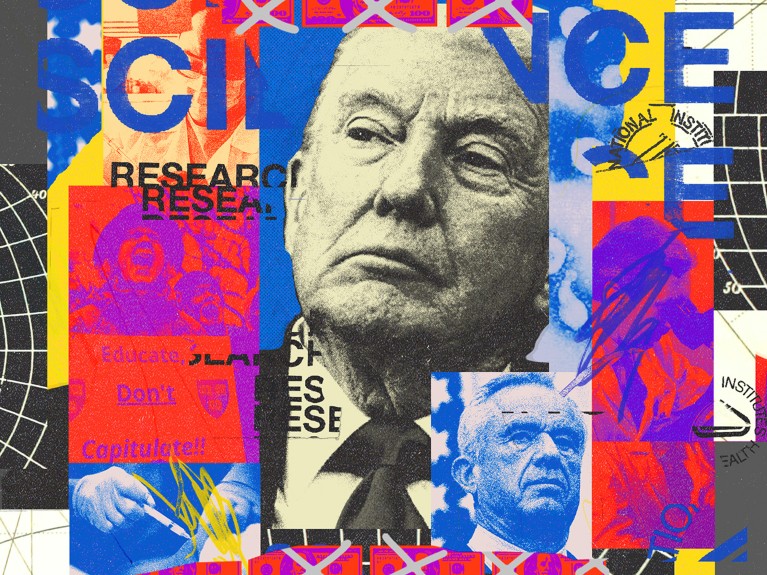
Grant cuts, arrests, lay-offs: Trump made 2025 a tumultuous year for science
Summary
In the opening weeks of Donald Trump’s second presidency, his administration took a series of actions that profoundly disrupted US science. Senior appointees moved to dismiss thousands of researchers and federal staff, while billions of dollars of support for global-health programmes were cut and the US Agency for International Development (USAID) was targeted for dismantling. The government also arrested some foreign scholars, tightened entry rules and sought to limit political speech in academic settings. Most strikingly, the administration cancelled tens of billions of dollars in university research grants to compel changes to hiring, admissions, curricula and campus policing. The moves prompted lawsuits — including one from Harvard — and widespread pushback from scientists, public-health leaders and former officials who warned of real-world harms to health, research capacity and public trust.
Key Points
- Thousands of government researchers and staff were fired, creating immediate capacity gaps in federal science programmes.
- Billions were cut from global-health funding and initiatives, and moves were made to weaken or dismantle USAID.
- The administration revoked tens of billions in research grants to pressure universities on hiring, admissions and campus policies.
- Arrests of overseas scholars and stricter entry rules signalled a clampdown on international collaboration and academic freedom.
- Harvard and other institutions launched legal challenges over grant cancellations and mass firings.
- Prominent public-health figures and climate scientists publicly opposed the policies, warning of lost lives and eroded trust.
Context and Relevance
This article is important because it documents a concerted politicisation of the US science ecosystem at multiple levels: funding, personnel, international collaboration and academic autonomy. Those shifts affect not only American universities and federal research agencies, but also global health programmes, international research partnerships and the credibility of scientific advice in policymaking. The developments reflect broader trends in debates over scientific authority, national security and culture-war issues in higher education.
Why should I read this?
Short version: if you care about where research money, talent and public trust end up, this is the chaos you need to know about. We’ve skimmed the headlines and pulled the bits that actually matter for researchers, university leaders and policy wonks — read it to get the shape of the disruption fast.
Author style
Punchy — the reporting is urgent and direct. Given the scale of the changes, the piece amplifies why the details matter: funding shifts, legal fights and agency shake-ups will have long-term consequences worth following closely.