
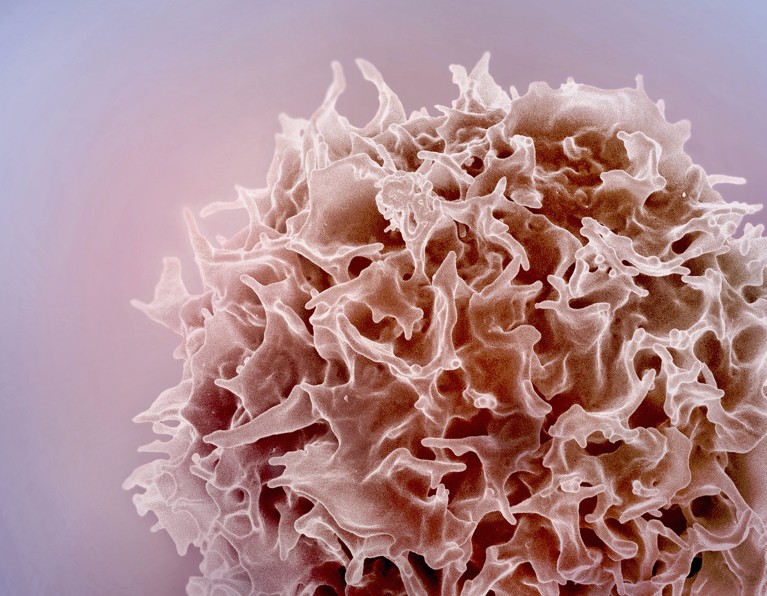
Restoring youth to old immune cells: mRNA therapy turns back the clock
Summary
A new study reported in Nature shows that a twice-weekly cocktail of three messenger RNAs can rejuvenate aged mice T cells, boosting their function and improving responses to vaccination and some cancer therapies. Rather than attempting to rebuild the ageing thymus, researchers delivered the therapy to the liver so circulating T cells could be reached. The work is preclinical (mouse) but suggests a promising route to tackle immunosenescence — the age-related decline in immune function.
Key Points
- A three-mRNA cocktail given twice weekly restored aspects of T-cell function in aged mice and enhanced vaccine and cancer-treatment responses.
- The therapy was delivered via the liver to target circulating T cells, avoiding direct attempts to regenerate the shrinking thymus.
- Researchers first catalogued gene-expression and signalling changes in mouse T cells across the lifespan to design the intervention.
- Rejuvenated T cells could help explain better vaccine efficacy and stronger cancer immunotherapy in younger individuals; reversing decline may reduce chronic inflammation tied to ageing.
- Findings are preclinical: human safety, optimal delivery, dosing and long-term consequences remain to be established.
Content Summary
The team characterised how T cells change from early life to old age in mice, identifying molecular pathways that falter with ageing. Using that map, they formulated a three-mRNA mix and administered it twice weekly, delivering it to the liver because the organ filters the blood and exposes circulating T cells to the therapy. Treated older mice showed improved T-cell numbers and function, and stronger responses when given vaccines or cancer immunotherapies. The study was presented in Nature and at the American Society of Hematology meeting; the primary research article is referenced by the news piece.
Researchers stress the approach is still at the stage of mouse experiments. Key translational hurdles include demonstrating safety in humans, finding effective delivery systems for targeted T-cell modulation, and confirming durable benefits without unwanted immune effects.
Context and Relevance
Ageing populations and the limits of current vaccines and immunotherapies in older adults make immunosenescence a major clinical problem. mRNA therapeutics have matured rapidly since COVID‑19, providing a flexible platform to tweak cell behaviour. This study merges those trends: using mRNA to reprogramme aged immune cells rather than attempting complex organ regeneration. If translated, the approach could improve vaccine protection and cancer outcomes in older people and lessen inflammation-driven age-related disease.
Why should I read this?
Quick version: this is a neat, sharp piece of science that says “we can yank tired T cells back towards youth” — at least in mice. If you’re short on time, read this because it flags a practical, mRNA-based route to fix an ageing immune system rather than chasing thymus regeneration. Big potential payoffs for vaccines and cancer treatment, but remember: mice first, humans later.