
Science in 2026: the events to watch for in the coming year
Summary
Nature outlines the major science stories likely to shape 2026. Key themes include a surge in AI-driven research (including autonomous AI agents and specialised small models), clinical advances in personalised gene editing, and large-scale medical trials and regulatory shifts. Space exploration will be especially busy with NASA’s Artemis II crewed lunar flyby, China’s Chang’e-7, Japan’s MMX sample-return mission, ESA’s PLATO exoplanet mission and India’s Aditya-L1 observing the Sun at solar maximum. On Earth, China’s deep-ocean drilling ship Meng Xiang is slated to attempt extreme mantle sampling, and a huge UK trial of a multi-cancer blood test will report results. Together these events span AI, medicine, planetary science and geology.
Key Points
- AI for science: wider use of AI ‘agents’ that chain multiple LLMs and specialised small models that solve reasoning tasks more efficiently than massive LLMs.
- Potential first consequential scientific advances driven largely by AI are expected — but increased use may reveal critical failures and data risks.
- Gene-editing momentum: two clinical trials for personalised CRISPR-style therapies for children with rare disorders could launch next year.
- Large UK clinical trial of a multi-cancer blood test (over 140,000 participants) will report results and could lead to national rollout if successful.
- Regulatory change: UK clinical-trial reforms (single application for ethics and regulation; mandatory registration and results summaries) come into force; FDA proposals on single pivotal trials remain in flux.
- Heavy lunar traffic: Artemis II (first crewed lunar mission since the 1970s) and China’s Chang’e-7 — both aim to advance lunar exploration and study the south pole region.
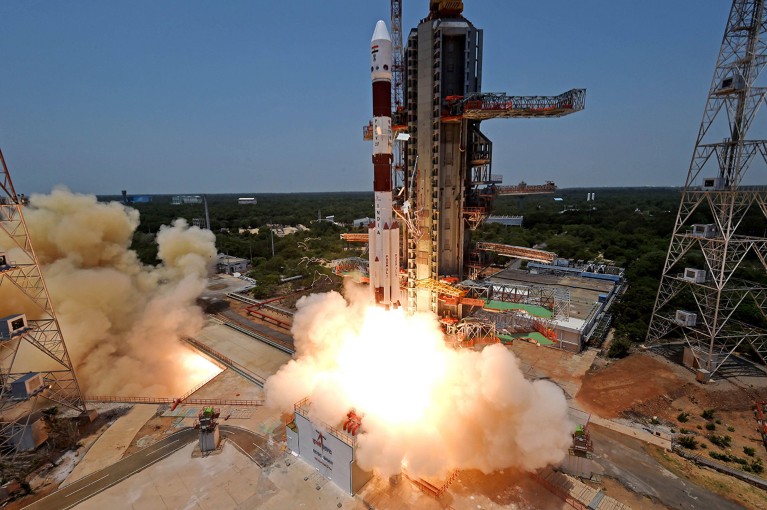
- Mars and beyond: Japan’s MMX will collect Phobos samples for return, ESA’s PLATO will start hunting Earth-like exoplanets, and India’s Aditya-L1 will observe the Sun during solar maximum.
- Deep Earth drilling: China’s Meng Xiang vessel aims to drill up to ~11 km through oceanic crust into the mantle to sample formation processes directly.
Why should I read this?
Want the short version of what will actually matter next year? This is it. From AI systems that could start doing real scientific heavy lifting, to life-changing gene therapies entering trials, to humans flying round the Moon again — 2026 promises big shifts. If you care about where research, medicine or space exploration is headed, this saves you the reading time and flags the bits to watch.
Context and relevance
These items reflect converging trends: rapid AI adoption across disciplines, a move from single case ‘firsts’ to regulated clinical programmes in gene therapy, and a fresh era of planetary and deep-Earth exploration enabled by new hardware and international programmes. The outcomes could affect research priorities, funding, clinical practice and regulatory frameworks — and they signal shifts that matter to scientists, clinicians, policy makers and informed members of the public alike.