
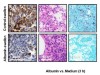
Blood protein thwarts deadly fungal disease
Summary
Researchers report that low serum levels of the blood protein albumin are linked to worse clinical outcomes from mucormycosis, a severe infection caused by Mucorales ‘pin mould’ fungi. The Nature paper by Pikoulas et al. describes how albumin helps orchestrate a natural host defence against these fungi; when albumin is low, people — especially those with poorly controlled diabetes, compromised immune systems or severe COVID-19 — are at greater risk of invasive disease and poorer prognosis. The News & Views piece by Katrina B. Mar and Tobias M. Hohl summarises these findings and discusses the clinical implications.
Key Points
- Low serum albumin is identified as a risk factor for mucormycosis and is associated with poorer clinical outcomes.
- Mucorales fungi (genera such as Mucor, Rhizopus and Lichtheimia) are ubiquitous in the environment and cause life‑threatening sinus and lung infections when host defences fail.
- People with poorly controlled diabetes, immunosuppression or severe COVID-19 are particularly vulnerable to mucormycosis.
- The study suggests albumin plays an active role in host defence, not merely as a marker of illness; this raises possibilities for diagnostic use or therapeutic investigation.
- Further work is needed to translate the finding into clinical practice — for example, whether albumin measurement should influence management or whether albumin-targeted therapies could reduce risk.
Content summary
Mucormycosis is an aggressive fungal infection caused by Mucorales moulds that invade sinus and lung tissue and can threaten vision and life. Pikoulas et al. provide evidence that albumin, a major serum protein, helps coordinate immune mechanisms that limit fungal invasion. Clinical data link low albumin levels with worse outcomes, and experimental results indicate a mechanistic role for albumin in host defence. The News & Views commentary frames these findings within the broader literature on host–pathogen interactions and highlights the patient groups most at risk.
Context and relevance
This work matters because rates of severe fungal disease rise where metabolic disease and immune suppression are common, and after severe viral infections such as COVID-19. Identifying albumin as both a biomarker and a functional player in defence changes how clinicians and researchers might approach risk assessment, early diagnosis and potential therapies. It links to wider trends in infectious‑disease research that seek host-directed strategies rather than solely new antifungal drugs.
Why should I read this?
Short version: if you treat or study infections, diabetes or immunosuppression, this is worth your time. It points to a simple, measurable blood protein that actually helps fight a brutal fungal infection — so it could change how we spot at‑risk patients and where we aim new treatments. We skimmed the paper so you don’t have to; here’s the bit you need to know now.
Author style
Punchy: the commentary makes a clear, focused case that albumin isn’t just a passive marker of illness — it’s part of the defence. For clinicians and researchers this amplifies the importance of the original study: read the full paper if you manage at‑risk patients or work on antifungal strategies.