
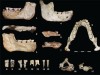
Of all the quarries: Casablanca fossils reveal African ancestors of Homo sapiens
Article Date: 07 January 2026
Article URL: https://www.nature.com/articles/d41586-025-03986-6
Article Image: Casablanca fossils image
Summary
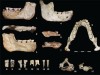
Researchers report surprising hominin remains from a Moroccan quarry near Casablanca dated to about 773,000 years ago. The fossils show a mix of features that place them basal to the Homo sapiens lineage — in other words, close to the common African ancestor of modern humans. The discovery adds an important Middle Pleistocene data point to debates about when and where the ancestors of modern humans emerged and highlights previously underappreciated North African contributions to human evolution.
Key Points
- New hominin specimens recovered from a Casablanca quarry are dated to roughly 773,000 years ago (Middle Pleistocene).
- Morphological analysis suggests these individuals lie basal to the Homo sapiens lineage — close to the ancestral population that later gave rise to modern humans.
- The finds expand the geographic and temporal evidence for early Homo diversity in Africa, emphasising North Africa alongside known east- and southern-African sites.
- The discovery supports models of a widespread, structured African population contributing to modern human origins rather than a single, narrowly localised origin.
- No ancient DNA is available from these fossils; conclusions rely on stratigraphy, dating and comparative anatomy, so interpretations will be tested and debated as more data emerge.
Content summary
The article discusses newly described hominin fossils from a quarry near Casablanca, Morocco, dated to about 773,000 years ago. The specimens show a combination of primitive and derived cranial traits that place them near the base of the Homo sapiens lineage. This suggests that populations across Africa — including North Africa — contributed to the ancestry of modern humans during the Middle Pleistocene. The piece situates the finds within the larger context of past discoveries (Neanderthals, Denisovans, and varied African Homo fossils) and current debates over whether modern humans emerged from a single region or from a mosaic of interconnected populations across Africa.
The reporting notes that, because the fossils predate the availability of ancient DNA in most African samples, the assignment relies on morphology and precise dating. The research is linked to a primary Nature paper (Hublin et al.) that provides the detailed description and interpretation.
Context and relevance
This discovery is significant for palaeoanthropology and anyone following human origins. It adds a well-dated Middle Pleistocene site in North Africa to the dataset used to reconstruct the ancestry of Homo sapiens. The find feeds into ongoing shifts in the field away from single-origin narratives and toward views of deep, regionally structured populations across Africa contributing genetic and morphological diversity to the modern-human lineage.
For researchers, the fossils offer fresh material to test phylogenetic models and to reassess other contested specimens. For a wider audience, the study reshapes where and how we look for our deep ancestors and underscores that important evidence can come from unexpected places.
Why should I read this
Want the short version? These fossils push North Africa back onto the map as home to relatives of the ancestor of modern humans — and that messes with tidy origin stories. If you care about where we came from, this is one of those papers that changes the questions researchers are asking next.
Author style
Punchy: the piece highlights a major, field‑shifting discovery and stresses its importance for debates about human origins. If you follow palaeoanthropology, the detailed paper it discusses is worth a look; if you want a concise take, the article saves you time by summarising the key implications.