
Exclusive: key NIH review panels due to lose all members by the end of 2026
Article Date: 22 January 2026
Article URL: https://www.nature.com/articles/d41586-026-00183-x
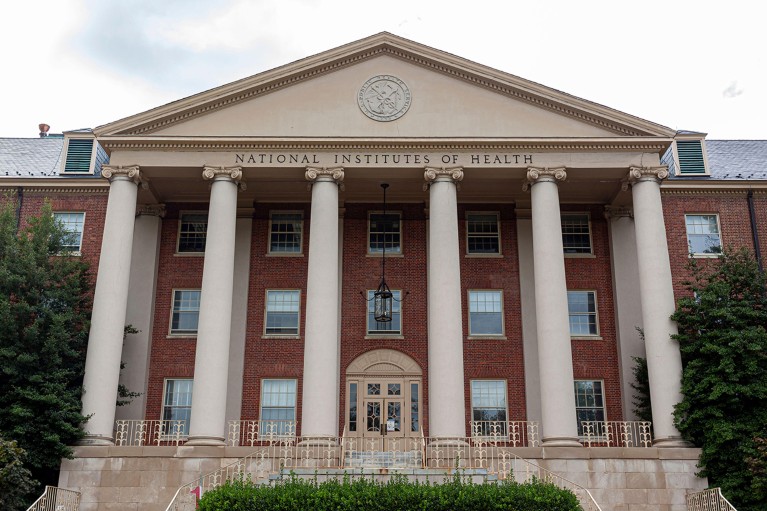
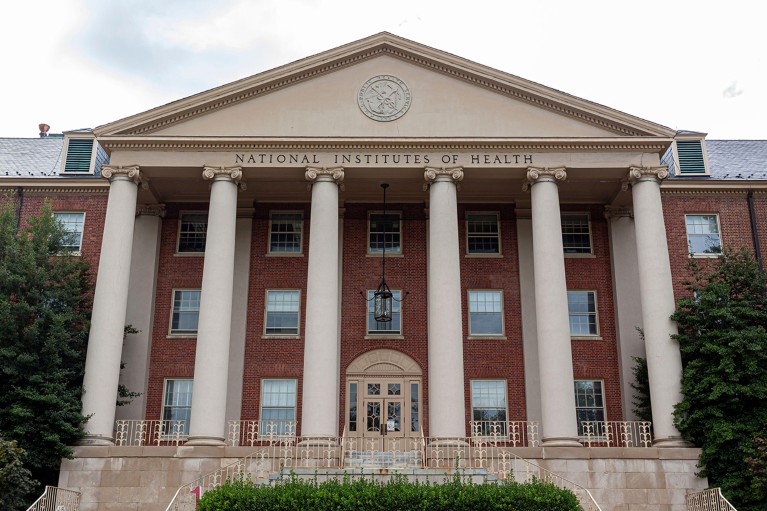
Article Image: NIH building image
Summary
Thirteen advisory councils that review grant applications for more than half of the US National Institutes of Health (NIH) are on track to have no voting members by the end of 2026. Federal law requires these panels to recommend funding for all but the smallest grants, so councils going dormant could freeze the issuance of many new awards. Rosters show member terms are expiring without replacements; some vacancies stem from last year’s dismissals of prospective reviewers and administrative barriers to publishing notices for review sessions. NIH says it does not anticipate a lapse and is appointing new members, but public rosters haven’t shown updates since September.
Key Points
- Thirteen NIH advisory councils (12 institutes and 1 centre) face complete loss of voting members by the end of 2026 according to public rosters.
- Federal law requires advisory-council approval before most grants can be awarded, so vacancies risk pausing funding decisions.
- Many potential replacements were dismissed last year; roster updates are scarce and onboarding can take years.
- NIH staff are using 180-day extensions to delay vacancies for roughly 44% of members whose terms expire this year.
- The problem follows broader administrative actions in 2025 that blocked publications needed for review sessions and delayed funding.
- NIH’s parent department says it is actively appointing members and does not anticipate an awards lapse, but public evidence of new appointments is limited.
- Independent experts warn that council dormancy could create major operational problems for the agency and researchers waiting on grants.
Content summary
The article reports that advisory councils — panels of scientists and advisors that meet several times a year to recommend grant approvals to institute directors — are rapidly losing members. Nature analysed official rosters and a federal advisory-committee database to identify institutes specialising in areas such as infectious disease, ageing and mental health that could be left without voting members.
The two-stage NIH review process first uses study sections of independent scientists to score applications, then the institute advisory councils review and recommend awards. If councils have no voting members, directors cannot legally issue awards that require council approval. Staff are applying temporary 180-day extensions to some members’ terms while the agency attempts appointments, but Nature found no roster updates since September. The article links these staffing shortfalls to earlier dismissals of dozens of reviewers and administrative moves that disrupted grant-review scheduling.
Context and relevance
This is a high-impact governance and funding story for biomedical research. If advisory councils cannot meet with voting members, large swathes of NIH-funded research could be delayed or frozen — affecting universities, hospitals and industry research across the US and internationally. The situation ties into broader concerns about political interference in science funding, administrative blockages to grant processes in 2025, and the practical challenge of quickly filling vetted advisory roles.
Author style
Punchy: the piece flags an urgent operational risk for the world’s biggest public biomedical funder and underlines how policy moves and personnel changes ripple into research funding pipelines. Read closely if you rely on NIH grants or follow science policy.
Why should I read this?
Because if you work in biomedical research, policy or funding, this could directly hit cashflow and projects you care about. Short version: reviewers are vanishing, replacements aren’t showing up fast enough, and that could stall grants. We skimmed the roster data and boiled it down — saves you the time and gives you the essentials fast.