
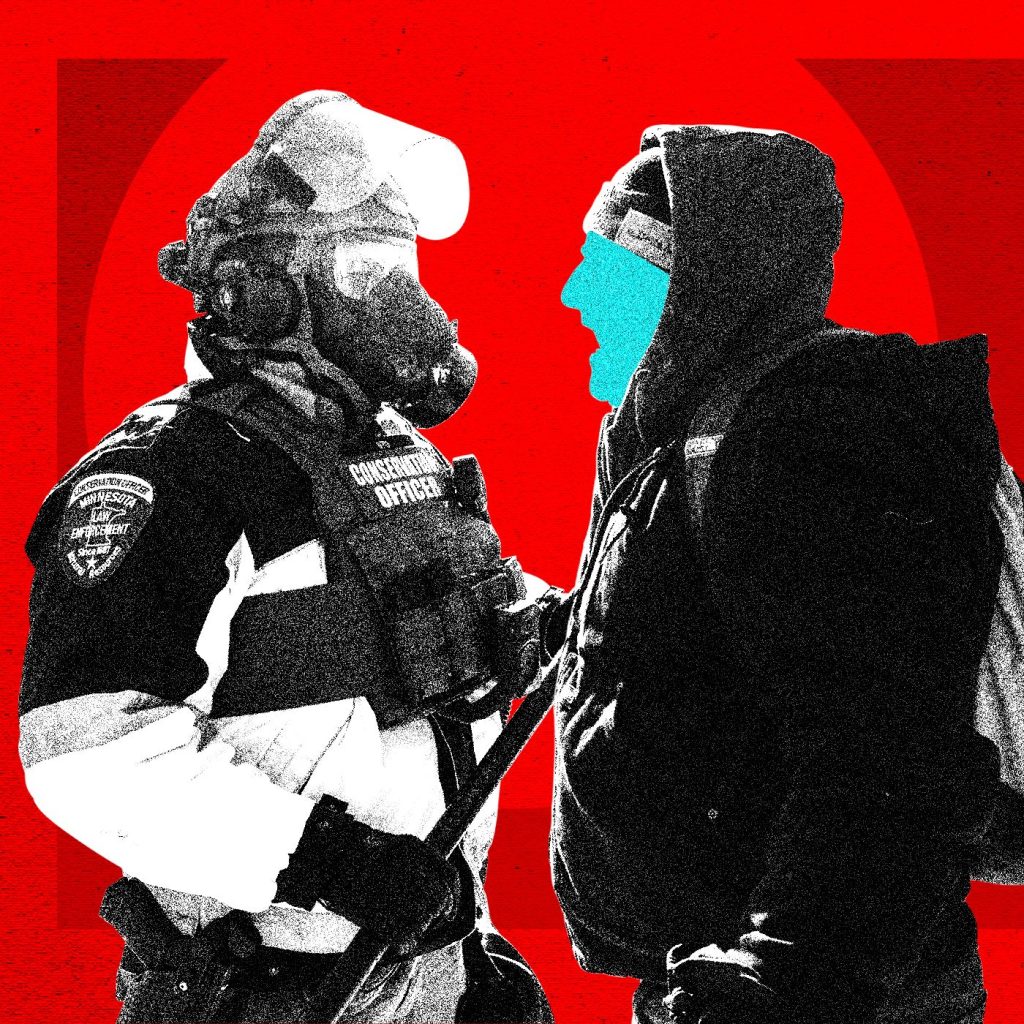
AI-Generated Anti-ICE Videos Are Getting the Fanfic Treatment
Summary
AI-created videos showing people of colour confronting ICE officers are circulating widely on Instagram and Facebook. They range from comic—drag queens chasing officers—to dramatic scenes where community members physically stop agents. Many clips are explicitly AI-generated and often function like political fan fiction: cathartic imaginings of resistance against federal immigration enforcement following deadly incidents in Minneapolis that left two US citizens dead.
The pieces feature prolific accounts (notably one going by Mike Wayne) posting thousands of clips that remix outrage, humour and fantasy. Creators and researchers say motivations vary—from emotional expression and political counter-narratives to chasing virality and monetisation. But experts warn these fabrications can blur the line between real evidence and fiction, undermining trust in genuine video documentation that has been crucial in holding authorities accountable.
Key Points
- AI videos depict imagined confrontations with ICE—scenes that are cathartic but fictional.
- Creators use these clips as digital counter-narratives after high-profile killings linked to federal agents.
- Some accounts have posted thousands of such videos, which can rapidly go viral (millions of views).
- Scholars and creators cite mixed motives: political expression, fan-fiction style storytelling, virality and monetisation.
- There is a real danger: widespread AI fabrications risk making people sceptical of authentic footage that documents abuses.
- Such content can also reinforce harmful narratives—portraying people of colour as confrontational—which may be weaponised by opponents or the state.
Why should I read this?
Because it’s a tidy snapshot of how AI is being used as protest fanfic—and why that’s messy. If you care about media trust, protest movements, or how tech reshapes political storytelling, this explains the emotional appeal and the real-world risks in plain terms. Quick read, big implications.
Context and relevance
The piece sits at the intersection of social media culture, artificial intelligence and civic trust. It follows recent deadly encounters involving federal agents in Minneapolis and shows how communities are using generative tools to imagine different outcomes. At the same time, experts quoted in the article warn these fantasies could erode confidence in video evidence, complicating accountability efforts and potentially influencing public perception and behaviour.
For journalists, policy-makers and platform teams, the article highlights a growing challenge: distinguishing cathartic or political AI creations from authentic documentation in an era when video evidence shapes legal and political responses. It also signals broader trends—AI adoption for cultural expression, rapid content monetisation, and the escalating arms race between generative tools and media-verification efforts.
Source
Source: https://www.wired.com/story/anti-ice-videos-are-getting-the-ai-fanfic-treatment-online/