
Is UK science in jeopardy? Huge funding reforms spark chaos and anxiety
Article Date: 05 February 2026
Article URL: https://www.nature.com/articles/d41586-026-00346-w
Article Image:
Summary
UK Research and Innovation (UKRI), led by Ian Chapman, is pursuing major reforms to squeeze more economic value from the nation’s research base. The aim is to turn high-quality UK science into companies, jobs and growth. But three immediate actions by UKRI — temporary blocks on some grant applications at major councils (MRC and BBSRC), direction for the Science and Technology Facilities Council (STFC) to find roughly £60m in savings, and the de-prioritisation of some infrastructure-fund recipients — have sparked serious alarm across universities and research institutes.
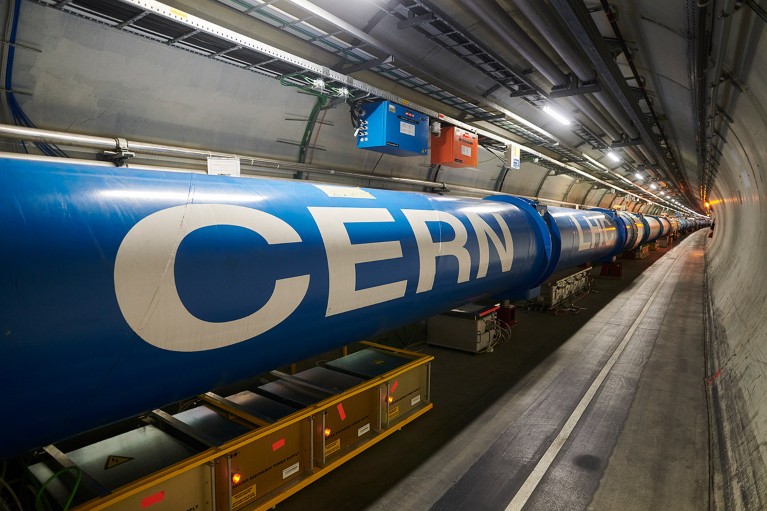
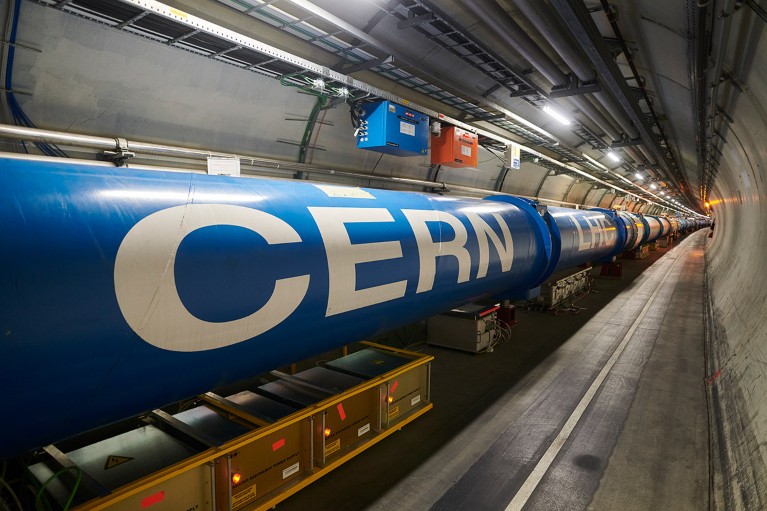
The moves risk cutting funding for university departments, threatening jobs and support roles, and imperilling UK participation in large international projects such as CERN experiments (LHCb) and the Vera C. Rubin Observatory. UKRI says some pauses are short term, but scientists warn the changes could have long-lasting damage to UK physics, astronomy and related disciplines.
Key Points
- UKRI wants to reform how public research produces economic returns; leadership describes UK research as an under-used asset.
- Temporary freezes on grant applications at MRC and BBSRC, plus STFC cost-reduction directives, have created funding uncertainty.
- STFC has been instructed to identify around £60m in savings, risking reductions to university-led physics and astronomy projects.
- Major international collaborations (for example LHC experiments and the Vera C. Rubin Observatory) face potential UK withdrawal or reduced support.
- Researchers — from postdocs to department technicians — fear job losses, cuts to essential support roles and a hit to training pipelines (data science, ML skills).
- UKRI frames some steps as short-term reprioritisation, but the scientific community is demanding clarity and reassurance about long-term commitments.
Content summary
Ian Chapman, head of UKRI, told MPs the UK must ‘sweat’ its research base to boost economic growth. To do that, UKRI is reorganising priorities and pausing or reprioritising some funding streams. The result has been immediate anxiety: blocked grant calls at two major research councils, STFC being asked to cut forecast spending, and researchers being told their infrastructure bids are lower priority.
Voices from the community — postdocs organising open letters, institute leaders, and department heads — warn that even short-term pauses can cascade into job losses and reduced capacity. The stakes include the UK’s role in flagship international science projects, which could be jeopardised if funding or commitments are withdrawn or reduced. UKRI maintains that some measures are temporary and aimed at redirecting funds to priority growth areas such as quantum, green tech and AI, but researchers say the promised replacement funding is not visible on the ground.
Context and relevance
This story sits at the intersection of science policy, government priorities and international collaboration. It matters because UKRI controls about £9 billion of public research funding in the current year, so decisions there ripple across universities, national infrastructure and global partnerships. The reforms reflect a broader trend: governments pushing research to demonstrate economic returns, but doing so while risking foundational research capacity and long-term collaborations.
For anyone tracking research funding, higher-education stability, or big-science projects, this article explains immediate actions, community responses and possible downstream impacts on jobs, training pipelines and the UK’s standing in international science.
Why should I read this?
Because if you work in UK academia, fund science, hire PhDs, or rely on big international projects, this could hit your job, your grant, or your collaboration. Seriously — people are panicking for good reasons. We skimmed the parliamentary testimony and the volunteers’ reactions so you don’t have to; read on to spot the parts that might affect your lab, department or contracts.
Author style
Punchy: the piece cuts straight to how policy shifts are translating into real stress for researchers and institutions. If you’re worried about funding stability or the future of UK contributions to global science, the detail here is worth your time.