
Personalized mRNA vaccine induces strong, durable immunity in hard-to-treat breast cancer
Summary
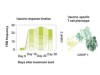
An experimental, personalised mRNA vaccine was tested in 14 people with aggressive, high-risk breast cancer (adjuvant triple-negative disease). The vaccine encoded patient-specific mutant proteins (neoantigens) and trained T cells to recognise tumour‑specific changes. The trial elicited strong, long‑lasting T cell responses and, at the time of reporting, 10 participants remained disease‑free. When relapses occurred, investigators analysed them and identified tumour resistance mechanisms that will inform next‑generation strategies.
Key Points
- Personalised mRNA vaccines were customised for each patient using tumour mutation data (neoantigens).
- The vaccine generated robust, durable T cell immunity against targeted tumour antigens.
- In this small adjuvant trial of 14 participants, 10 remained disease‑free during follow‑up.
- Relapsed cases were studied to uncover resistance and immune‑evasion mechanisms.
- Findings provide practical insights for improving vaccine design and combination therapies in hard‑to‑treat breast cancer.
Content summary
The study reports that personalised mRNA vaccination can evoke potent, long‑lived T cell responses in the adjuvant setting for triple‑negative breast cancer — a subtype that currently has few targeted options. Vaccines were tailored from each patient’s tumour mutations, delivered after primary treatment to reduce risk of recurrence. Immune monitoring showed sustained activity, and molecular analysis of recurrences highlighted ways tumours can escape immune pressure, suggesting routes to enhance efficacy (for example, combining vaccines with agents that prevent immune evasion).
Context and relevance
Personalised neoantigen vaccines have been explored in several cancers, but durable T cell immunity in high‑risk breast cancer is notable because triple‑negative disease is typically aggressive and lacks hormone or HER2 targets. This trial adds to growing evidence that bespoke mRNA immunotherapy can be feasible and clinically meaningful in the adjuvant setting, and it emphasises the importance of understanding tumour resistance to guide combination therapies and patient selection.
Why should I read this?
Because this is the kind of clever science that could actually change outcomes for people with a nasty form of breast cancer. The paper shows personalised mRNA vaccines can provoke long‑lasting immune responses and teaches us why some tumours still get away — useful if you want the headlines without wading through the full paper (we read it so you don’t have to).