
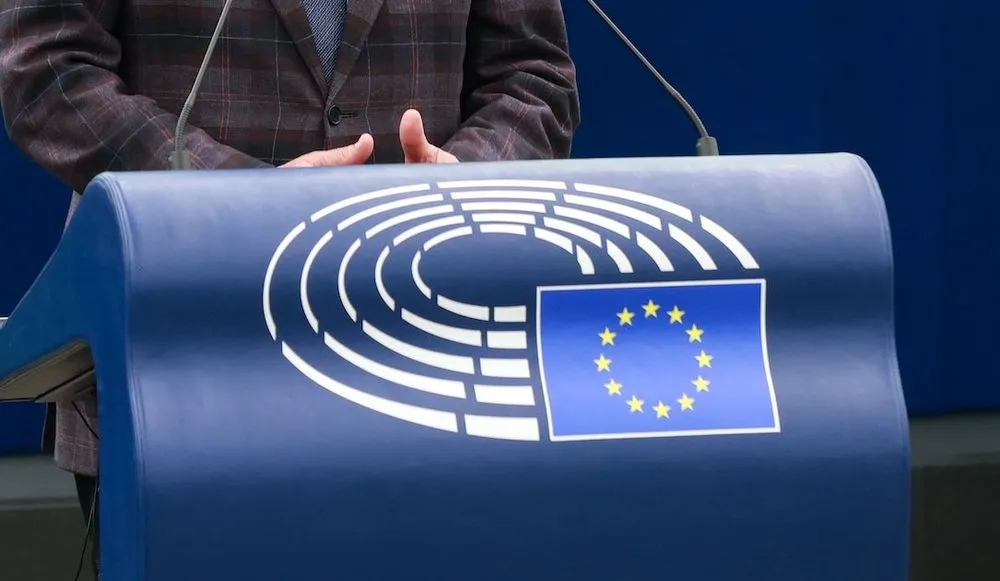
EU lawmakers propose that youth under 16 be barred from social media without parental consent
Summary
European Parliament members approved an opinion calling for youth under 16 to be barred from accessing social media unless they have parental consent, and for an absolute ban on children under 13. The opinion recommends that this ban be written into forthcoming legislation such as the Digital Fairness Act and highlights practices the law should cover, including targeted advertising, influencer promotions, addictive design features and virtual currencies in games.
The Parliament’s opinion is not legally binding but is intended to shape the European Commission’s approach. It also flags risks from artificial intelligence — misinformation, manipulation and emotional dependency — and pushes for privacy-friendly age verification, safety-by-design, algorithmic transparency and parental education.
Key Points
- MEPs backed an opinion proposing that social media access for under-16s should require parental consent, and that under-13s should be barred entirely.
- The opinion suggests including the ban in the planned Digital Fairness Act and expanding its scope to advertising, influencer marketing, addictive design and in-game currencies.
- The European Parliament’s opinions are non-binding but can influence the European Commission and future EU laws.
- The text calls for privacy-first, effective age verification and stronger, consistent enforcement of child-protection laws across the EU.
- AI-related harms — misinformation, manipulation and dependency — are specifically highlighted as part of youth online risks.
- Several EU countries (Spain, France, the Netherlands, UK) and Australia have recently moved or signalled moves towards similar age limits, indicating a wider international trend.
- The opinion stresses combining technical measures (safety-by-design, algorithmic transparency) with parental education and digital literacy programmes.
Context and relevance
This proposal sits within a growing global push to limit young people’s exposure to social platforms and to hold tech firms more accountable for harms linked to design and advertising models. For regulators and platforms it signals tighter obligations ahead — particularly around age assurance, data minimisation and content algorithms. For parents and educators it marks a shift towards stronger institutional support for protecting children online. Enforcement and practical age verification across borders remain major challenges that will shape how any law actually works in practice.
Why should I read this?
Because if you care about kids, regulation or digital services, this could change who gets to use major apps in Europe — and how those apps behave. Quick read: it sums up a likely policy direction and what platforms will need to fix (or fight).
Author style
Punchy: this isn’t a minor tweak — it’s a push to reshape how social media treats under‑16s across the EU. If you work in policy, tech, education or parenting, the details matter.
Source
Source: https://therecord.media/eu-lawmakers-propose-youth-under-16-social-media-parental-consent