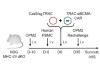
A gene-editing method generates immunotherapeutic CAR T cells in the body
Summary
Laboratory-manufactured chimeric antigen receptor (CAR) T cells are established treatments for some blood cancers and are being explored for autoimmune diseases. Nyberg et al. report a gene-editing strategy that creates CAR T cells directly in mice (in vivo), bypassing the complex ex vivo manufacturing pipeline. The Nature News & Views piece by Holt and Evgin highlights the promise of this approach while noting the remaining safety, delivery and regulatory challenges before human use.
Key Points
- CAR T-cell therapy is effective for some relapsed or refractory leukaemia, lymphoma and myeloma and is under study for autoimmune conditions.
- Nyberg et al. demonstrate an in vivo, site-specific gene-editing method that programmes T cells inside mice to express CARs, avoiding ex vivo cell manufacture.
- In vivo generation could reduce cost, speed treatment access and simplify logistics compared with current personalised manufacturing pipelines.
- Major challenges remain: delivery specificity, editing efficiency, off-target effects, immune responses to vectors or editors, and long-term cell persistence.
- The work is an important preclinical advance but requires extensive testing for safety and control before clinical translation to humans.
- Authors note potential broader applications, including rapid responses to aggressive cancers and new routes for treating autoimmune diseases with engineered T cells.
Context and relevance
This development sits at the intersection of gene editing, cell therapy and in vivo delivery — a major trend in translational medicine aiming to make advanced therapies more accessible. If reproducible and safe in humans, in vivo CAR engineering could remove manufacturing bottlenecks that limit patient access and dramatically reduce costs and time to treatment. It also raises new regulatory and safety questions, because editing occurs inside patients rather than in a controlled manufacturing environment.
Why should I read this
Short version — this is clever and could change how CAR T gets to patients. If you care about cancer therapies, gene editing or how biotech might get cheaper and faster, skim this. It’s a tidy update on a big idea: make the therapy inside the body rather than shipping cells back and forth. Worth a quick read to stay ahead of where immunotherapy and CRISPR are heading.
Author note (style)
Punchy: This isn’t just another tweak — it’s a potential overhaul of how CAR T medicine is delivered. The paper is highly relevant to clinicians, translational researchers and biotech strategists; read the original if you want the technical details and to judge safety trade-offs yourself.
Article meta
Article Date: 18 March 2026
Article URL: https://www.nature.com/articles/d41586-026-00634-5
Article Image: Image link