
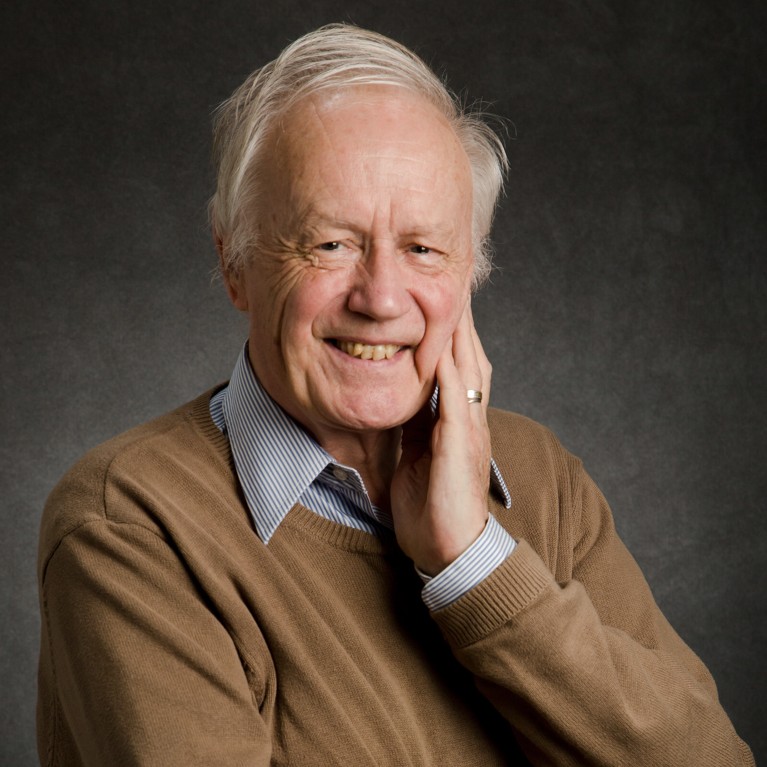
Anthony Leggett obituary: physicist who brought quantum theory to the macro world
Article Date: 30 March 2026
Author: Philip Stamp
Summary
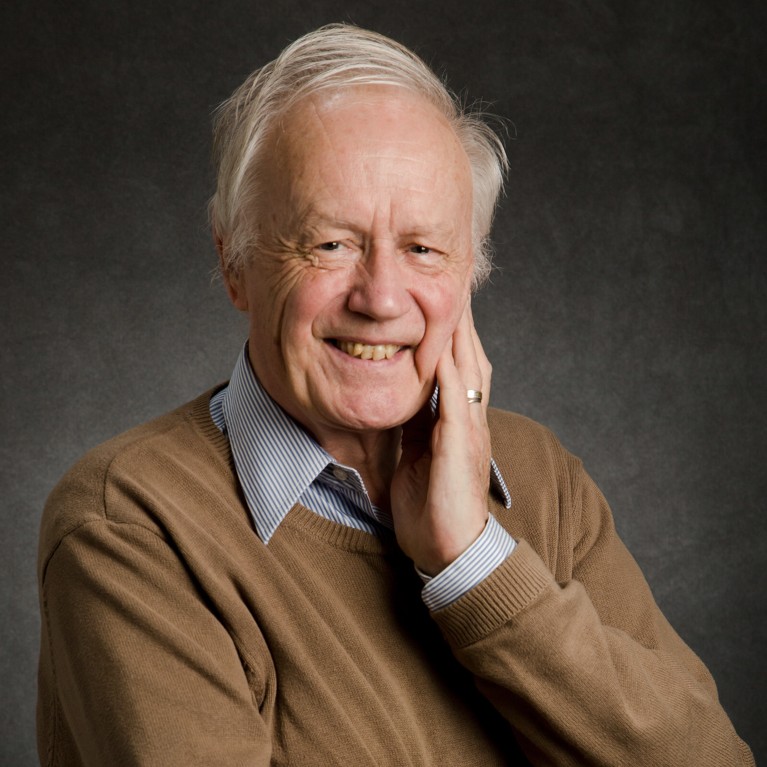
Anthony (Tony) Leggett, a polymath who began in philosophy and later became a leading theoretical condensed‑matter physicist, has died aged 87. He devised an intuitive and powerful theory of superfluids — notably explaining the complex phases of liquid helium‑3 in the 1970s — work that earned him the 2003 Nobel Prize in Physics. Leggett pioneered thinking about macroscopic quantum phenomena, producing concepts that helped bridge fundamental quantum theory and practical directions such as quantum computing. He combined empirically based model‑building with the Landau school’s unified approach, taught extensively at the University of Sussex, and spent the later part of his career at the University of Illinois at Urbana‑Champaign, where he was a much‑admired supervisor and mentor.
Key Points
- Leggett originally studied philosophy before switching to physics and condensed‑matter theory.
- Between 1972 and 1976 he developed a clear theory of the newly discovered superfluid phases of helium‑3, predicting experimental signatures that were soon confirmed.
- He was awarded the 2003 Nobel Prize in Physics for his work on superfluids.
- His research helped bring quantum theory into the macroscopic realm and influenced later work relevant to quantum computing.
- Leggett’s style blended the empirical model focus of UIUC with the Landau school’s emphasis on unified physical principles, favouring insight over excessive formalism.
- He had a long teaching and mentoring career (University of Sussex, then UIUC) and was known for his broad interests and language skills.
- He died aged 87, leaving a lasting legacy across condensed‑matter physics and quantum science.
Context and relevance
Leggett’s work sits at the crossroads of condensed‑matter physics and quantum information. His theories resolved tricky experimental puzzles in low‑temperature physics and provided conceptual tools still used when thinking about macroscopic quantum states and qubits. For researchers and observers of quantum‑technology trends, his career shows how fundamental theoretical advances seed long‑term technological development.
Why should I read this
Quick version: Tony Leggett changed how physicists think about quantum weirdness at real‑world scales. If you care about where modern quantum ideas — and some of the thinking behind quantum computing — came from, this gives you the essentials without the heavy jargon. We’ve read it so you don’t have to.