
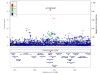
Genetics reveal why people respond differently to GLP-1 weight-loss drugs
Summary
Researchers are uncovering genetic reasons why people vary in their response to GLP-1-based anti-obesity medicines. Variants in the GLP1R and GIPR genes, which encode the drug targets, are linked to differences in weight-loss efficacy and side-effect risk. A new Nature paper (Su et al.) used large-scale genetic analyses to identify predictors of both benefit and adverse events, helping to explain why most users lose substantial weight while a minority are non-responders or experience pronounced gastrointestinal effects.
The commentary highlights that although GLP-1 therapies can produce >20% weight loss for some, around 10% of trial participants lose <5% (non-responders), and about a third report side effects such as nausea, vomiting or diarrhoea. Genetic variation at receptor genes offers mechanistic insight and could eventually inform personalised prescribing, but translation to routine clinical use requires further validation across diverse populations.
Key Points
- Variants in GLP1R and GIPR are associated with differences in weight-loss response to GLP-1 receptor agonists.
- Genetic differences also correlate with the likelihood of gastrointestinal adverse events (nausea, vomiting, diarrhoea, constipation).
- Most trial participants lose >10% body weight, but ~10% are non-responders (<5% weight loss).
- Findings come from large genetic studies referenced in a recent Nature research paper (Su et al.).
- Clinical use of genetic predictors is promising but not yet ready — more validation and inclusion of diverse ancestries needed.
Content summary
GLP-1-based drugs have rapidly transformed obesity treatment, delivering unprecedented weight-loss results for many users. However, patient outcomes vary widely. The Nature commentary summarises evidence that genetic variants in drug-target genes (GLP1R and GIPR) partly explain this variability in both efficacy and tolerability. The underlying research integrates genomic datasets and clinical trial outcomes to identify genetic predictors that influence receptor function and downstream metabolic effects.
While these genetic signals give a biologically plausible explanation for why some people respond better or worse, the commentary stresses limitations: effect sizes can be modest, the majority of evidence comes from populations of European ancestry, and translating predictors into clinical decision tools will require more work, including prospective testing and consideration of environmental factors.
Context and relevance
This work sits at the intersection of pharmacogenetics and precision medicine. As GLP-1 and related therapies become more widely used, understanding predictors of response is crucial for optimising benefit, limiting harm, and allocating scarce medical resources. For researchers and clinicians it points to target-focused genetic testing as a plausible future tool; for drug developers it highlights mechanisms that could guide next-generation therapies or combination approaches.
Author’s style
Punchy: this is a concise, high-impact take on why the same wonder drugs do not work equally for everyone. If you care about obesity therapeutics, personalised medicine or the genetics of drug response, the piece flags important leads and next steps. Read the original research for the technical detail — this commentary tells you why it matters.
Why should I read this?
Short version: genes help explain why some people get dramatic weight loss and others barely budge — and why stomach upset hits some users harder. It’s useful if you prescribe, research, or follow obesity drugs and want a quick, readable take on whether genetics might soon help pick the right patient for the right medicine. We’ve skimmed the paper so you don’t have to — handy if you’re short on time.