
South Africa is right to put debt, climate and inequality at the heart of G20
Summary
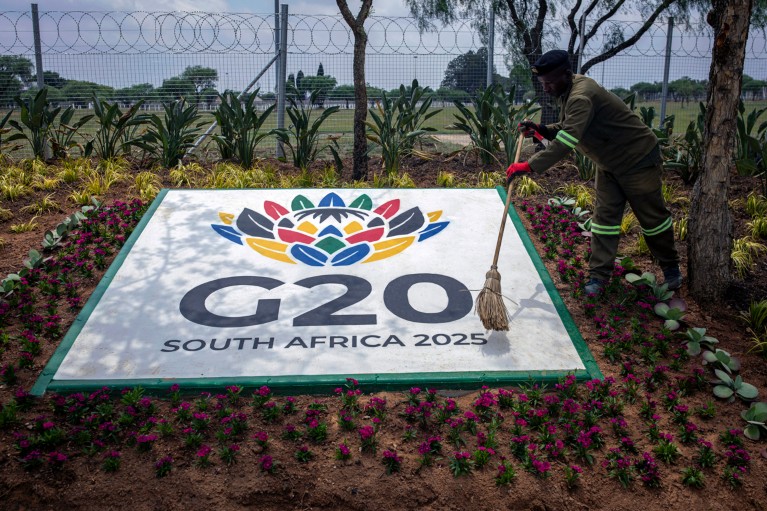
Johannesburg is hosting the first-ever G20 leaders’ meeting in Africa — a landmark moment that puts debt, climate finance and inequality centre stage. South Africa’s agenda, backed by most G20 members and the newly included African Union, emphasises debt relief for low- and middle-income countries (LMICs), increased and better-targeted climate finance, and policy action on inequality. The United States has said it will boycott the leaders’ meeting, but preparatory talks showed broad support for South Africa’s priorities.
The editorial highlights that many LMICs are trapped by rising and rolled-over debts, pandemic-era borrowing, climate costs and higher interest rates, while international aid is shrinking. Chatham House projects donor cuts of roughly US$60 billion between 2023 and 2026. Much climate finance currently comes as loans, adding to sovereign debt burdens. South Africa also commissioned research — led by Joseph Stiglitz — recommending an international research panel on inequality, modelled on the IPCC, to bring evidence to policymakers. Reducing inequality, the piece notes, can boost overall economic performance, yet many governments ignore this evidence.
Key Points
- Johannesburg hosts the first G20 leaders’ meeting in Africa; the United States will not attend the leaders’ summit.
- South Africa’s agenda focuses on debt reduction, climate finance and tackling inequality — themes aligned with current research and global need.
- LMICs face rising debt burdens from historical rollovers, COVID-19 spending, climate damage and higher interest rates; exports often match foreign debt levels.
- Major donors are expected to cut aid by about US$60 billion from 2023–2026, worsening pressures on vulnerable health and education systems.
- Much pledged climate finance is loan-based, which risks increasing developing-country indebtedness rather than providing grant-based relief.
- South Africa commissioned a global inequality report (led by Joseph Stiglitz) that suggests creating an international research panel on inequality to better inform policy.
- Research indicates that reducing inequality benefits overall economic performance, but many governments still treat inequality as inevitable or growth-promoting.
- South Africa will hand the G20 chair to the United States for 2026; the UK remains supportive of the current priorities.
Why should I read this?
Short version: this isn’t just diplomacy theatre. It’s about money, markets and who pays for climate hits. South Africa’s push could reshape how the G20 handles debt and climate aid — and that affects global stability. Read the bits on debt and the Stiglitz-led report if you want the concrete policy angles without wading through every brief.
Context and relevance
Why it matters: the G20 still sets major economic and policy tones worldwide. Bringing debt, climate finance and inequality to the top of the agenda recognises interconnected crises: indebted countries need finance that doesn’t deepen vulnerability, climate action requires funding that doesn’t increase sovereign risk, and inequality undermines both social and economic resilience. With donor cuts and higher interest rates, the timing is urgent. South Africa’s leadership — plus backing from most other members and the African Union — signals a push to align policy with research evidence and with the needs of the world’s most vulnerable economies.