
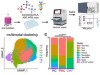
Antibodies and T cells join forces for sustained HIV remission
Summary
Two new Nature papers, discussed by Jonathan Z. Li, report that antibody-based therapies can work alongside powerful cellular immune responses to control HIV after people stop antiretroviral therapy (ART). The studies identify a role for CD8+ T cells with stem-cell-like properties (so-called ‘T cell stemness’) and show correlates of control following combination immunotherapy. These findings suggest a possible path towards sustained, ART-free remission for some people, though they are not a cure and require further confirmation in larger trials.
Key Points
- Two Nature studies (Kiani et al. and Peluso et al.) indicate that stem-like CD8+ T cells may cooperate with antibody therapies to control HIV after ART interruption.
- Combination immunotherapy — including broadly neutralising antibodies — can correlate with post-intervention control of viremia in some participants.
- ‘T cell stemness’ appears to precede and predict better control, suggesting a cellular mechanism that antibodies can amplify.
- These results point to a strategy for durable remission that reduces reliance on lifelong daily ART, with particular implications for resource-limited settings.
- Findings are promising but preliminary: not yet a universal cure, and larger, longer studies are needed to confirm durability and safety.
Content summary
Since the late 1980s, ART has transformed HIV into a manageable chronic condition, but stopping therapy almost always leads to rapid viral rebound. The two new papers highlighted here explore how immune-based approaches might change that. One paper links the emergence of CD8+ T cells with stem-like features to later control of HIV viremia following intervention. The other defines immune correlates associated with control after combination immunotherapy, including antibody treatments. Together, they suggest a cooperative effect: antibodies can reduce virus and expose infected cells to cellular immunity, while stem-like T cells offer durable, adaptable cellular responses that help keep the virus in check after ART is stopped.
Author Jonathan Z. Li discusses the potential clinical and public-health impact — especially the possibility of reducing the need for lifelong ART, which carries social, economic and adherence burdens. He stresses, however, that these are signposts rather than solutions: the approach needs more validation, and it won’t replace ART for most people in the near term.
Context and relevance
This work sits at the intersection of immunotherapy and HIV cure research. It builds on prior studies of broadly neutralising antibodies and cellular immunity and adds a new focus on the quality of T cell responses (stemness) as a predictor of sustained control. For clinicians and researchers, it highlights biomarkers and mechanisms to target in trials. For policy-makers and global-health planners, it offers a potential long-term strategy to reduce the economic and social costs of lifelong ART — particularly important in low- and middle-income countries where HIV burden is highest.
Why should I read this?
Short answer: because it points to a realistic, near-term way to keep HIV suppressed without daily pills — at least for some people. The tone here is optimistic but cautious. If you want to keep up with where HIV-treatment research is heading (and whether ART-free remission might actually be achievable), this is a tidy update that saves you the time of reading both original Nature papers.