
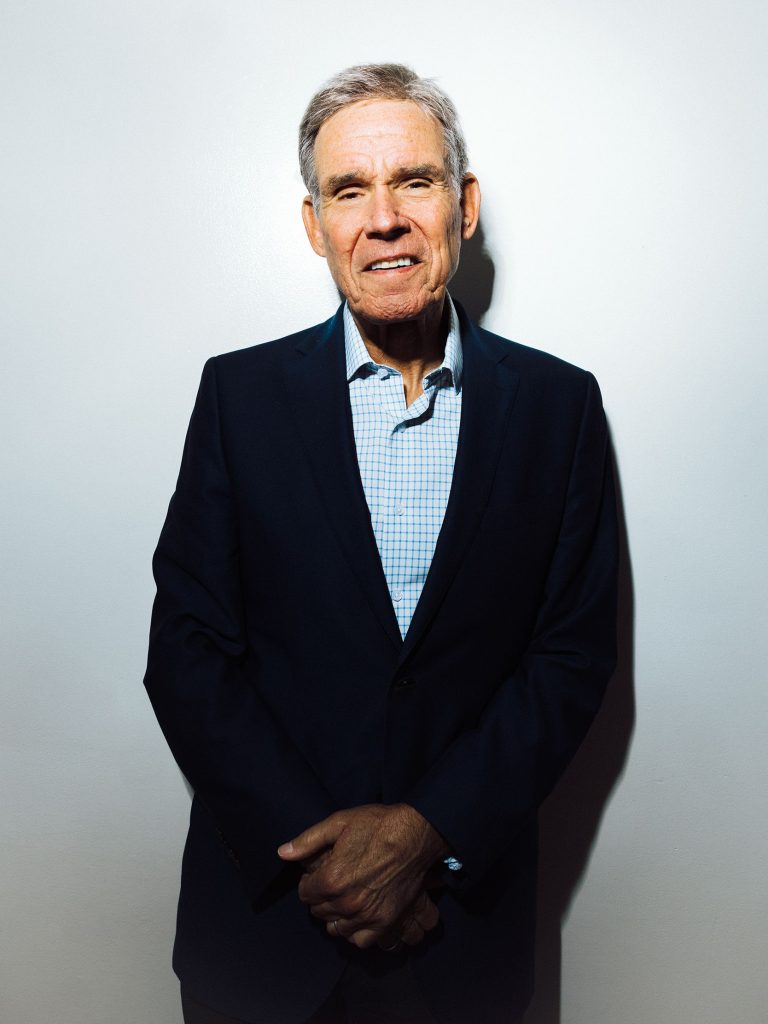
Can AI Look at Your Retina and Diagnose Alzheimer’s? Eric Topol Hopes So
Summary
At WIRED’s Big Interview event, cardiologist and Scripps Research vice-president Eric Topol argued that AI, new biomarkers and lifestyle-first medicine could reshape how we age. He discussed the distinction between lifespan and healthspan, emphasising that immune health and inflammation track more closely with healthy ageing than genetics alone. Topol highlighted emerging tools — organ “clocks,” biomarkers like p-tau217, and large-scale AI analysis of medical records and retinal images — that can flag disease risk years in advance. He also noted the promise of GLP-1 drugs for lowering inflammation and potentially preventing conditions including Alzheimer’s, and urged avoidance of pro-inflammatory environmental exposures alongside exercise, good sleep quality and less ultra-processed food.
Key Points
- Topol sees AI as a major force in medicine: models can scan records and images at scale to find early disease signals.
- Retinal images analysed by AI could reveal risks for arterial disease, Parkinson’s and Alzheimer’s years before clinical symptoms.
- New biomarkers (eg p-tau217) and organ-specific ageing clocks let clinicians quantify future disease risk earlier than before.
- GLP-1 drugs may lower systemic inflammation and could be tested for Alzheimer’s prevention in at-risk people starting before age 50.
- Lifestyle factors (diet, sleep quality, exercise, time in nature) remain the most accessible way to extend healthspan.
- Environmental stressors — air pollution, micro/nano plastics and “forever chemicals” — are pro-inflammatory and important to address.
- AI can also spot subtle lab trends (eg for pancreatic cancer) at low cost, offering potential for earlier, cheaper screening.
- Topol stresses that healthspan should be extended toward lifespan using multi-modal data and AI-enabled early detection.
Context and Relevance
This interview sits at the intersection of two accelerating trends: AI applied to medical imaging and the shift from reactive to predictive/preventive healthcare. If validated and responsibly deployed, retinal-AI diagnostics and multi-marker ageing clocks could change screening pathways, lower costs of early detection and open new windows for prevention — especially for neurodegenerative diseases that currently lack effective early interventions.
However, clinical validation, regulatory approval, equity of access and protection of sensitive health data remain critical hurdles. The hype must be balanced with rigorous trials (for example the GLP-1 Alzheimer prevention study Topol mentions) and careful real-world testing of AI models across diverse populations.
Author style
Punchy: Topol’s view is urgent and optimistic — he believes we have the data layers and AI tools now to actually shift when and how disease is diagnosed. This isn’t speculative tinkering; it’s a strong signal that medicine could move from late-stage treatment to earlier, measurable prevention. If you care about health policy, clinical trials or practical tech that hits patients’ lives, read the detail.
Why should I read this?
Want the quick version: this piece tells you why your next eye-check might also be a brain-check. It’s a neat, forward-looking take on how AI + cheap imaging + new biomarkers could catch illnesses years earlier — and why lifestyle still matters. Read it if you like clever medical tech that could actually change screening and prevention, not just hype.
Source
Source: https://www.wired.com/story/big-interview-event-eric-topol-super-agers/