
Glimmers of hope for a deadly disease
Summary
For decades pancreatic cancer has carried a grim prognosis. It is the third-leading cause of cancer-related death in the United States despite being only the tenth most commonly diagnosed cancer. The five-year survival rate for all stages and types has risen to 13% from 7% a decade ago — a small but important improvement.
Researchers are pursuing multiple strategies that could further shift outcomes. These include efforts to detect the disease earlier with simple blood tests and non-invasive breath tests, development of personalised vaccines to rally the immune system against tumour-specific proteins, and deeper investigations into how tumours exploit the nervous system to survive and suppress immunity. Improved laboratory models, notably pancreatic organoids engineered to mirror individual tumours, are being used to test therapies and uncover why this cancer is so aggressive. Together, better detection, new therapeutic approaches and advanced models offer cautious optimism for meaningful progress.
Key Points
- Pancreatic cancer remains highly lethal but five-year survival has improved from 7% to 13% over the past decade.
- Early-detection approaches under development include blood tests that spot disease-specific proteins and breathalyser-style tests.
- Personalised vaccines are being explored to direct the immune system at the specific proteins driving an individual’s tumour.
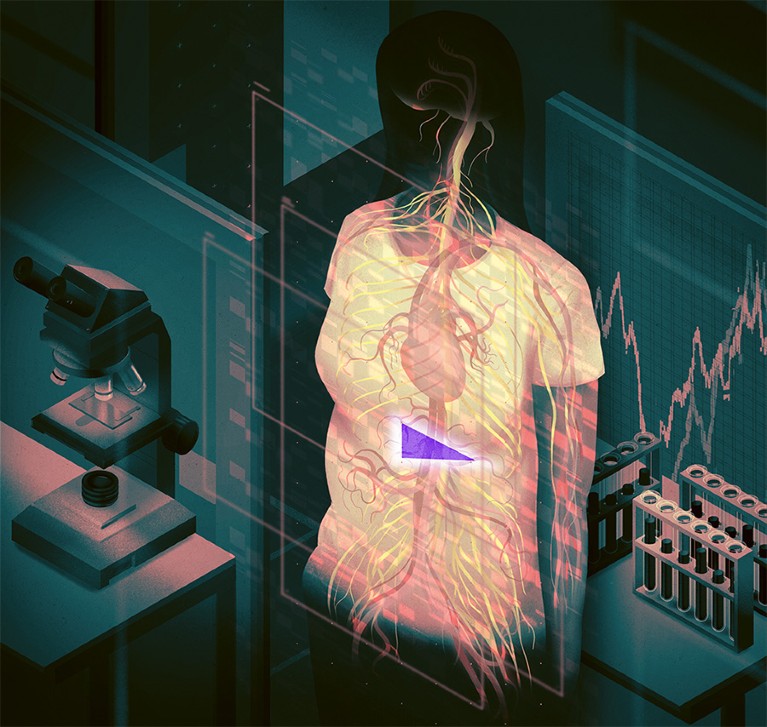
- Researchers are uncovering how pancreatic tumours use the nervous system to survive in low-oxygen environments and evade immune responses.
- Pancreatic organoids — mini tumours grown in dishes and engineered to match patients’ tumours — are improving disease modelling and treatment testing.
- These combined advances (detection, immunotherapy and better models) are the main reasons for cautious optimism in the field.
Why should I read this?
Short and blunt: this is worth your time. If you track cancer research, clinical advances or patient outcomes, the article pulls together the most promising threads — early-detection tests, personalised vaccines and organoid models — that could actually change how pancreatic cancer is found and treated. We’ve saved you time with the highlights above, but dive into the full piece if you want the details and context behind these hopeful signs.