
‘Every aspect of my work life has changed’ — scientists reflect on a year of Trump
Summary
Leading biomedical researchers take stock of the first year of the Trump administration and describe sweeping effects on US science, higher education and public health. Faculty report censorship and burnout after executive orders affecting immigration, student visas, transgender rights and academic freedom. Federal public-health bodies have been weakened by staff losses and data removals, contributing to vaccine hesitancy and a large measles outbreak. Funding cuts have hit large data programmes and international health work: a USAID stop-work order forced an HIV-prevention trial to be closed out using local funds. Meanwhile, opportunities such as prevention-focused medical AI and multimodal data science are being undermined by gutted programmes, leaving researchers to rely on philanthropy and state or professional action to limit harm.
The piece bundles reflections from Amander Clark (higher education and academic freedom), Hank Greely (FDA/CDC, vaccination and public-health governance), Eric Topol (disease prevention and medical AI), and Salim S. Abdool Karim & Quarraisha Abdool Karim (pandemic preparedness and halted USAID-funded HIV research).
Key Points
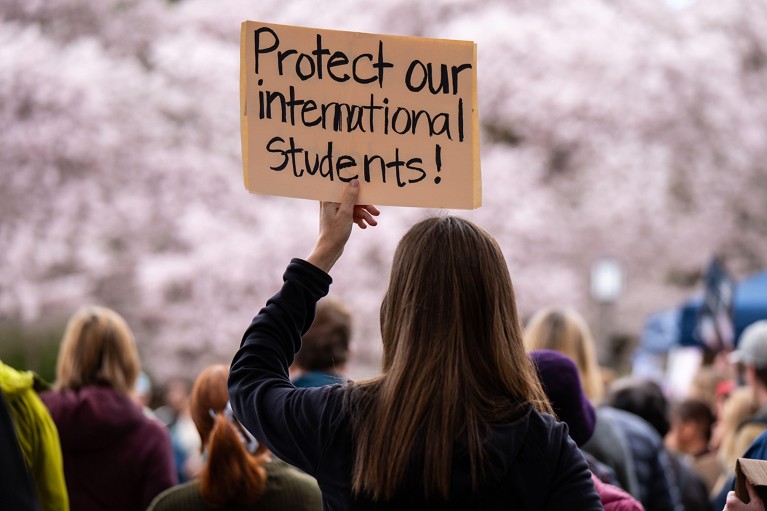
- Executive orders since 2025 have reshaped campus life: immigration, visas, admissions, free speech and academic freedom are under strain, leading some faculty to self-censor.
- Legal challenges by university faculty have begun to push back; a preliminary injunction restored certain freedoms for some plaintiffs, but uncertainty remains.
- Federal public-health agencies (FDA, CDC) have lost staff and seen data removal, weakening regulatory and surveillance capacity and contributing to misinformation and poorer outcomes.
- Vaccine hesitancy has surged, with a measles spike in 2025 (>2,000 cases) and related deaths attributed in part to eroded public confidence and policy shifts.
- Major data resources and programmes that underpinned prevention work (for example, the All of Us programme) have been cut, hampering multimodal-AI efforts aimed at predicting and preventing disease.
- Researchers are turning to philanthropy, state-level action and professional societies to sustain prevention trials and guidance, but these are imperfect substitutes for federal support.
- International health projects funded by USAID were paused or stopped; an HIV-prevention trial in South Africa was closed out using centre funds, raising ethical and logistical concerns.
- Collective action — from the scientific community, professional bodies, states and industry — is essential to limit the damage and rebuild evidence-based public-health systems.
Author style
Punchy and urgent: the contributors are clear that this is not a minor policy shuffle but a fundamental shift that affects research integrity, public health and the next generation of scientists. Read the detail if you care about the future of evidence-based medicine, higher education and international research partnerships.
Why should I read this?
Short version: if you work in science, education, health policy or fund those areas, this is the one-year invoice for decisions made since 2024. It shows where the system is creaking — from campus life and visas to vaccine policy and international trials — and why you should care now rather than later. We’ve cut through the noise and pulled the bits that matter so you can see the practical risks and where pressure or funding could make a real difference.