
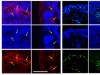
Clearing trapped cholesterol could relieve lymphoedema
Summary
Lim et al. (reported in Nature and summarised by Babak Mehrara) show that impaired lymphatic clearance leads to excessive cholesterol deposition in peripheral tissues, which drives the swelling, inflammation, fat accumulation and fibrosis seen in secondary lymphoedema. By combining analyses of human patient samples with mechanistic mouse studies, the researchers demonstrate that trapped cholesterol is a central feature of the common form of lymphoedema and that promoting cholesterol removal from tissues can reduce disease signs and pathology.
The findings point to lipid clearance — rather than only managing fluid or mechanical drainage — as a promising therapeutic avenue, and suggest that targeting cholesterol handling in tissues could alleviate symptoms in patients, especially those who develop lymphoedema after cancer treatment.
Key Points
- Impaired lymphatic function causes cholesterol to accumulate in affected tissues, contributing to lymphoedema pathology.
- Excess tissue cholesterol correlates with inflammation, adipose deposition and fibrosis in secondary lymphoedema.
- Evidence comes from both human lymphoedema samples and mechanistic mouse models, strengthening translational relevance.
- Enhancing cholesterol clearance from tissues reduces swelling and fibrosis in model systems.
- The work suggests new therapeutic strategies that focus on lipid mobilisation and removal, complementary to existing physical and compression therapies.
Context and relevance
This study reframes part of lymphoedema biology by implicating cholesterol handling as a driver of disease progression rather than a mere bystander. It links two active research areas — lymphatic biology and lipid metabolism — and may open routes to repurpose or develop drugs that promote cholesterol efflux or improve lymphatic lipid transport. Clinicians treating patients with post-surgical or secondary lymphoedema, as well as researchers developing targeted therapies, will find this work directly relevant. Further clinical studies will be needed to test safety and efficacy in patients.
Why should I read this?
Because it’s a clever twist: cholesterol isn’t just clogging arteries — it gets stuck in tissues when lymphatics fail and actually makes lymphoedema worse. If you care about better treatments (or saving patients from chronic swelling and scarring), this work shows a whole new target to hit. Short version: it might change how we treat the condition.