
Blood test holds promise for predicting when Alzheimer’s symptoms will start
Article Date: 19 February 2026
Article URL: https://www.nature.com/articles/d41586-026-00531-x
Article Image: Main image
Summary
A new blood test, reported in Nature Medicine and summarised by Nature, detects an abnormal form of the tau protein circulating in blood and shows promise not just for identifying people at risk of Alzheimer’s disease but for predicting when symptoms might begin.
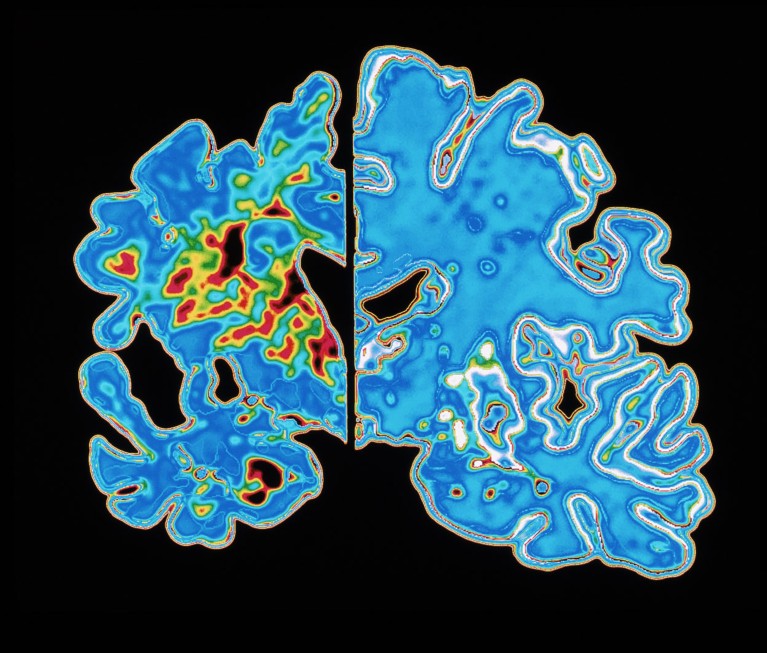
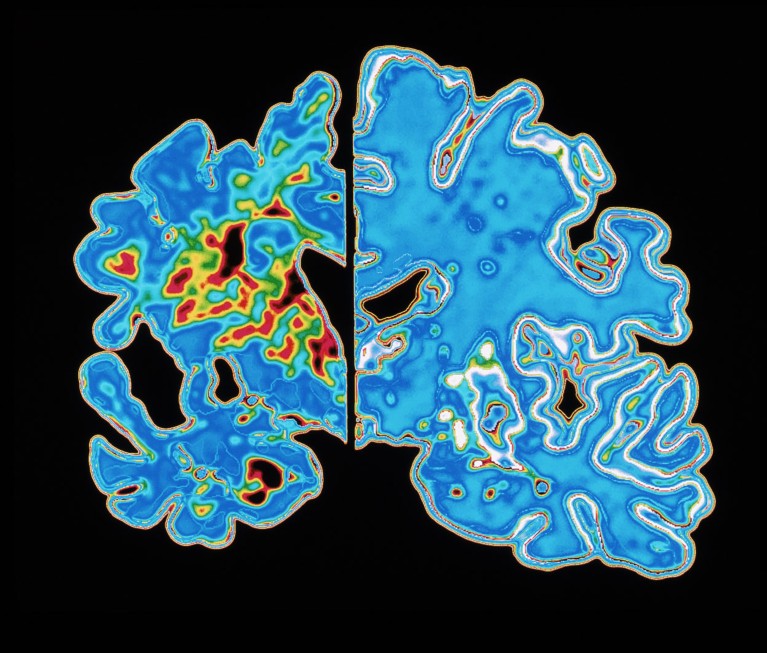
The test correlates blood tau with the build-up of tau tangles in the brain — a hallmark of Alzheimer’s that appears well before memory problems. If validated in larger cohorts, the assay could enable earlier interventions and provide a practical biomarker for recruiting and stratifying participants in clinical trials.
Researchers emphasise caution: lead author Suzanne Schindler and others advise that cognitively unimpaired people should not undergo such biomarker testing at home or act on results until studies and clinical guidelines are more robust.
Key Points
- The test measures an abnormal form of tau in blood and may act as a molecular “clock” for Alzheimer’s symptom onset.
- Published in Nature Medicine (Petersen et al., 2026), the work links blood tau levels with brain tau accumulation that precedes clinical symptoms.
- A reliable, simple blood marker could make early treatment trials cheaper and more efficient by predicting who will develop symptoms and when.
- Brain imaging can also predict symptom timing but is costly and less practical; blood tests would be far more scalable.
- Experts warn against consumer use: current evidence is preliminary and authorities do not recommend testing asymptomatic individuals at home.
- Larger validation studies are needed before the test can be used in routine clinical care or personal decision-making.
Why should I read this?
Short version: this could be a game-changer. A blood test that tells you not only if but roughly when Alzheimer’s might hit would reshape prevention trials and earlier care. We’ve read the piece so you don’t have to — and to flag the cautions: promising, but not a shop-bought answer yet.
Context and relevance
This article matters because the field is moving from late-stage diagnosis to early detection and prevention. Biomarkers that predict timing — not just risk — would help target treatments to the window when they’re most likely to work, improve trial design and reduce costs. It also fits broader trends toward minimally invasive diagnostics for neurodegeneration.
However, there are ethical and practical implications: testing asymptomatic people can cause anxiety and lead to premature or unnecessary interventions. The authors and clinicians call for larger validation studies and clinical guidelines before routine or consumer testing is adopted.