
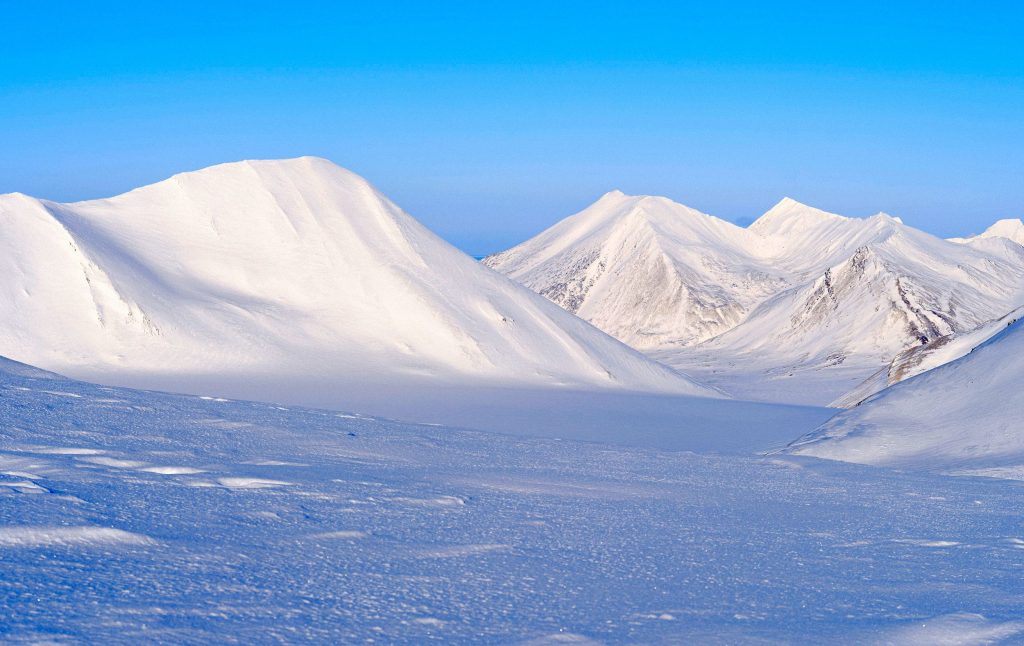
The Data Centers Have Arrived at the Edge of the Arctic Circle
Summary
As demand for massive AI compute soars, data-centre developers are racing into the Nordics — even up to the Arctic Circle — chasing cheap, abundant renewable power, cool climates and plenty of land. Projects large and small are multiplying across Norway, Sweden, Finland, Denmark and Iceland: OpenAI and Microsoft have leased capacity in Norway, French lab Mistral has committed billions in Sweden, and dozens of new facilities are planned or under construction. The region’s competitive advantages for AI workloads include plentiful hydropower and wind, low electricity prices, and lower cooling costs. That said, there are questions about whether all announced projects will be built, rising land prices in rural areas, and strategic hoarding of sites by hyperscalers.
Key Points
- The Nordics are experiencing a rapid surge in data-centre development driven by AI workloads that prioritise power over ultra-low latency.
- Major players (OpenAI, Microsoft, Mistral) and many neocloud operators are establishing or leasing large GPU-heavy facilities in the region.
- Renewable hydropower and wind, plus cool climates, reduce operating and cooling costs and help meet EU emissions targets.
- There is an acute shortage of large, energy-rich sites elsewhere in Europe, pushing demand northward and inflating land values in rural Nordic areas.
- Local economies hope data centres will revive fading industries, but benefits depend on projects actually being completed and integrated locally.
- Some operators may be speculatively hoarding power and land to keep rivals out, creating uncertainty about future development pace.
Why should I read this?
Quick and dirty: if you care where the world’s AI brains will live, this explains why the Nordics suddenly matter — think cheap green power, cooler racks and big swathes of spare land. It’s where the GPUs are going when Western Europe runs out of juice. Read it for the who’s building what, who’s spending billions, and what it means for energy, jobs and rural towns.
Author note
Punchy take: this isn’t just more data-centre real estate — it’s a strategic shift in AI infrastructure. The deals and developments profiled here signal long-term change in where compute is hosted, who controls capacity, and how energy and regional economies will be reshaped. Definitely worth a closer look if you follow AI, energy or industrial policy.
Source
Source: https://www.wired.com/story/ai-supremacy-data-center-expansion-arctic-circle/