

Cancer blood tests are everywhere. Do they really work?
Article Date: 04 March 2026
Article URL: https://www.nature.com/articles/d41586-026-00661-2
Article Image: 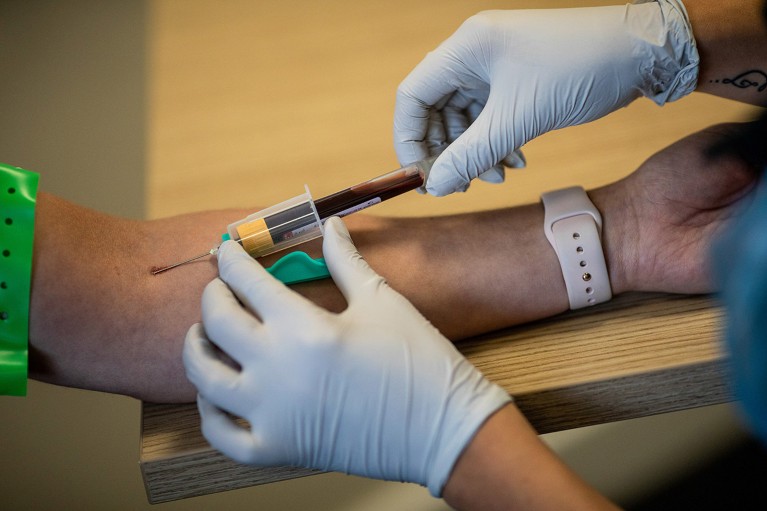
Summary
Dozens of so-called multi-cancer early detection (MCED) blood tests promise to detect many cancer types from a single sample. Nic Fleming reports on the rapid growth of these tests, the underlying science (circulating tumour DNA, methylation patterns and fragment features), and the heated debate about whether they actually improve outcomes.
While MCEDs show high specificity (they usually correctly rule out people without cancer), their sensitivity is inconsistent — studies report they detect roughly 30–80% of cancers, often missing many early-stage tumours. The widely marketed Galleri test (by Grail) was recently reported from a UK NHS randomised trial that aimed to reduce late-stage diagnoses; initial results indicate it did not meet that goal. Scientists are divided: some hail MCEDs as potentially revolutionary for cancers lacking screening, others warn of missed cancers, false positives, anxiety and unnecessary invasive follow-ups. The consensus: more robust randomised controlled trials and outcome data are needed before these tests are rolled out widely as screening tools.
Key Points
- About 40 MCED tests are in development or on sale; many are based on ctDNA sequencing or DNA methylation signatures.
- Grail’s Galleri — one of the most publicised tests — released early data from an NHS-run RCT that did not show a reduction in advanced-stage cancer diagnoses when added to existing screening.
- MCEDs commonly show high specificity (96–99.5%), meaning few false positives, but sensitivity varies widely (≈30–80%), so many cancers — especially early-stage — can be missed.
- Positive predictive value (how likely a positive result actually means cancer) depends heavily on disease prevalence in the tested population; rare cancers pose particular challenges.
- Different technical approaches exist: mutation detection, methylation profiling (used by Galleri), and fragmentomics (physical features of ctDNA); some tests combine methods to improve accuracy.
- Many studies so far recruited people with known cancer or used retrospective designs; prospective RCTs with clinical outcomes (stage shift, mortality) are the gold standard and scarce.
- Risks of widescale screening with imperfect tests include anxiety, invasive diagnostic work-ups, overdiagnosis for some, and false reassurance for others.
- MCEDs could fill gaps for cancers without screening programmes — but robust evidence of population benefit is still lacking.
Context and Relevance
This feature sits at the intersection of diagnostics, public health policy and commercial biotech. Screening currently detects only a minority of cancers early; MCEDs promise a simpler, broader approach. However, NHS involvement in trials and the high public profile of products such as Galleri mean policy-makers, clinicians and commissioners must weigh potential benefits against harms and costs. For investors and developers, the article underlines that regulatory approval and insurance coverage hinge on hard outcome data, not just analytic performance.
Why should I read this?
Because if you or someone you advise is tempted to pay for one of these tests, this piece saves you from hype. Short version: they look clever and can be reassuring — but many still miss early cancers and the big trial evidence that they actually save lives is not yet convincing. Read the detail before you act.
Author note
Punchy: Nic Fleming lays out both the tech that makes these tests possible and the messy reality of early evidence. If MCEDs matter to your work, your wallet or your patients, the nuances here are worth the read.