

How these koalas bounced back from the brink of extinction
Article Meta
Article Date: 05 March 2026
Article URL: https://www.nature.com/articles/d41586-026-00746-y
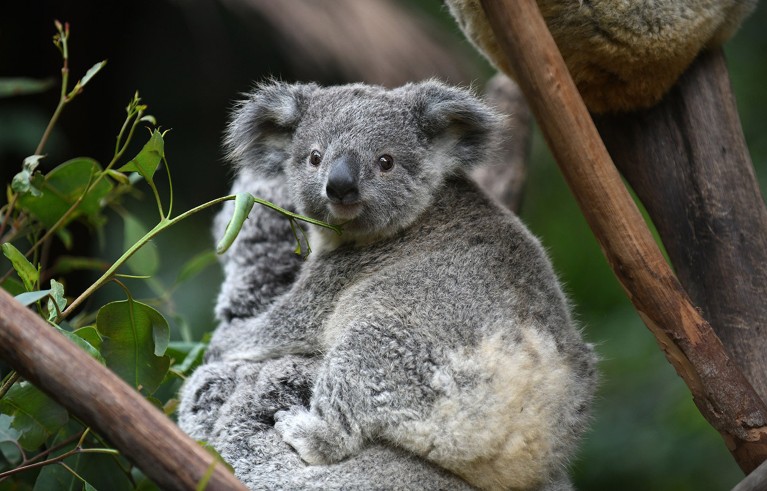
Article Image: Koala photo
Summary
A new study (published in Science) shows that koala populations in Victoria, Australia, have recovered not only in numbers but also show genomic signs of regaining diversity. After a brutal population collapse in the early 20th century — when hunting reduced numbers to a few hundred — conservation moves and reintroductions drove a major population rebound by 2020. Using genomes from 418 individuals across 27 populations, researchers found that increased recombination during the post-bottleneck population expansion has produced more rare genetic variants and boosted effective population size estimates. The work suggests that recombination can help a formerly bottlenecked population recover genetic variation over decades, offering a new metric for conservation genetics.
Key Points
- Historical hunting in Victoria reduced koala numbers to roughly 500–1,000 by the 1920s, creating a severe genetic bottleneck.
- Conservation actions (including island refuges and mainland reintroductions) led to a population surge: nearly half a million koalas in Victoria by 2020.
- Genomic analysis of 418 koalas across 27 populations shows an increase in recombination events as population size rose, producing more rare variants.
- Accounting for recombination changes estimates of effective population size, indicating genetic recovery that wasn’t visible with older methods.
- The study provides a practical framework for integrating evolutionary processes into conservation planning to identify and reverse genetic risk in populations.
Why should I read this?
Short answer: because it’s a proper feel-good science fix with real practical teeth. If you care about conservation, genetics or whether species can claw their way back after being hammered, this piece shows a clear mechanism — recombination during population growth — that helps restore genetic health. It’s hopeful, useful and gives conservationists a new tool for deciding where to act.
Context and relevance
This finding matters beyond koalas. It challenges the assumption that severe genetic bottlenecks always leave permanent damage by showing that natural recombination during recovery can rebuild diversity over relatively short evolutionary timescales. That has implications for how managers prioritise interventions, assess extinction risk and design translocations or breeding programmes for other threatened species. The paper also offers a fresh metric — tracking recombination and its effect on effective population size — for monitoring population health in conservation genomics.