
Why the crisis in official statistics matters — and how it can be fixed
Summary
Nature reports that official statistics worldwide are facing a multifaceted crisis driven by three main problems: falling survey response rates, chronic under‑funding, and political interference. Surveys remain essential for gathering detailed, localised information (for example on child nutrition or marginalised groups), yet participation is dropping — especially in high‑income countries — while digital sources and AI can both help and distort data collection. Funding for core survey programmes, notably the Demographic and Health Survey programme, is precarious after major donor withdrawal. Finally, when governments meddle with statistical agencies the quality and trustworthiness of data suffer. The piece argues these issues can be remedied with better funding, strengthened institutional independence, and coordinated international support from bodies such as the IMF, WHO and UNESCO.
Key Points
- Official statistics are essential for policy decisions (education, interest rates, SDG monitoring) but are under strain globally.
- Three main drivers of the crisis: inadequate funding, political overreach, and falling response rates to household and business surveys.
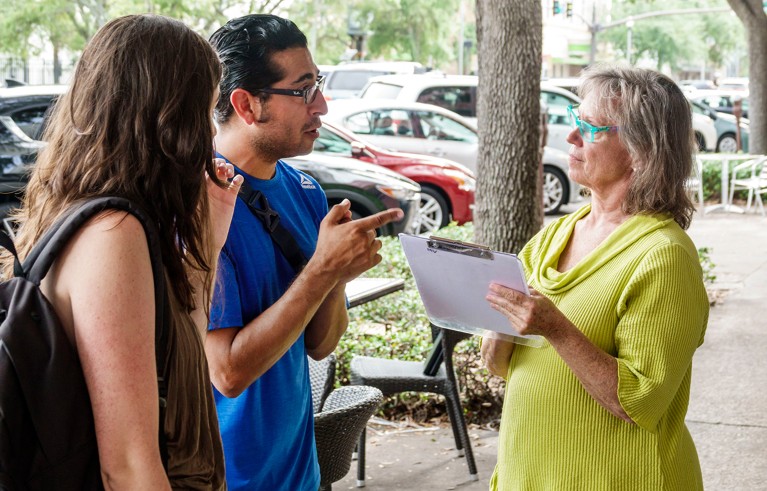
- Surveys remain crucial for detailed, ground‑level data; digital sources cannot fully replace in‑person or carefully conducted interviews.
- Public mistrust contributes to low response rates in high‑income countries; demonstrating direct benefits increases participation in many LMICs.
- Funding for key data programmes is unstable — the Demographic and Health Survey programme has become overly dependent on a single donor.
- Philanthropic support has fallen recently for some core topics (gender, health), while AI funding rises — creating mismatched priorities.
- International agencies like the IMF can pressure countries to improve data practices; similar mandates for WHO and UNESCO are suggested for health and education statistics.
- Fixes are feasible: increased and diversified funding, stronger independence for statistical offices, better public engagement, and international oversight where needed.
Context and Relevance
Accurate official statistics underpin decisions across government, business and civil society — from setting health priorities and education policy to tracking progress on the UN Sustainable Development Goals. The decline in data quality or availability risks misallocating resources, masking crises, and weakening democratic accountability. For researchers, policy‑makers and NGOs, the article flags immediate risks (lost datasets, weaker SDG monitoring) and outlines practical levers for repair: national ownership of key surveys, broader funding bases, public trust campaigns and stronger international standards and oversight. This ties into broader trends: the rise of administrative and digital data sources, shifting philanthropic priorities, and growing concerns about state manipulation of information.
Why should I read this?
Short version: if you care about sensible policy, reliable research or knowing what’s actually happening on the ground, this matters. The piece cuts through a dry topic and shows why shaky stats lead to bad decisions — and, crucially, how fixes are doable. We’ve done the heavy reading so you don’t have to: it tells you what’s broken, why it’s risky, and who needs to step up.