
Tumour trap: engineered enhancer sequences enlisted to kill cancer cells
Summary
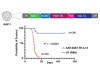
Researchers report a targeted viral strategy that uses engineered enhancer sequences — synthetic “super-enhancers” — to drive expression of a drug-activating protein and an immune-stimulating cytokine specifically in glioblastoma cells. Packaged into a viral vector, this cargo allowed selective killing of tumour cells and recruited the immune system, curing brain tumours in mice in the study described in Nature (Koeber et al.). The approach aims to reduce harm to healthy tissue by restricting toxic activity to cancer cells.
Key Points
- Engineered enhancer sequences (synthetic super-enhancers) were used to restrict transgene expression to tumour cells.
- A viral vector delivered two payloads: a protein that activates a prodrug to kill cells and a cytokine to stimulate anti-tumour immunity.
- The system achieved clearance of glioblastoma in mouse models, showing both direct cytotoxicity and immune recruitment.
- Targeting via enhancer activity provides a different selectivity mechanism from receptor-targeting or tumour-specific promoters.
- Findings are preclinical; safety, off-target activity and delivery to human brain tumours remain key hurdles before clinical application.
Content summary
Koeber and colleagues developed synthetic enhancer sequences designed to be active primarily in glioblastoma cells. These sequences drive expression of therapeutic cargos when introduced by a viral vector. One cargo is an enzyme or protein required to convert an administered prodrug into a cytotoxic agent inside the targeted cell, so normal cells lacking the enhancer-driven expression are spared. The second cargo is a cytokine that attracts and activates immune cells against the tumour. In mouse models of aggressive brain cancer, this dual-action system eliminated tumours and provoked anti-tumour immunity.
The study demonstrates proof of concept for precision viral immunotherapy based on regulatory-sequence engineering rather than just surface markers or broad promoters. The authors discuss advantages — improved specificity and the ability to combine local cytotoxicity with immune stimulation — and note the major translational challenges, including delivery across the human blood–brain barrier, potential enhancer activity in unintended cell types and long-term safety of viral delivery.
Context and relevance
Glioblastoma is a deadly, treatment-resistant brain tumour with few effective options. This work sits at the intersection of gene therapy, synthetic biology and immunotherapy: instead of relying on tumour antigens alone, it uses regulatory DNA elements to limit therapeutic action to cancerous cells. That makes it especially relevant to researchers and clinicians exploring safer, more precise cancer gene therapies. It also ties into broader trends of designing synthetic regulatory sequences to control cell-type-specific expression in vivo.
Why should I read this?
Short version: clever trick, big potential. These researchers have built a DNA “trap” that turns a virus into a precision strike against glioblastoma — killing cells AND rallying the immune system — and it worked in mice. If you care about new ways to make cancer drugs less toxic and more specific, this is worth five minutes. It’s not a cure for people yet, but it’s a neat step that could reshape how we think about targeting tumours with genetic control elements.