
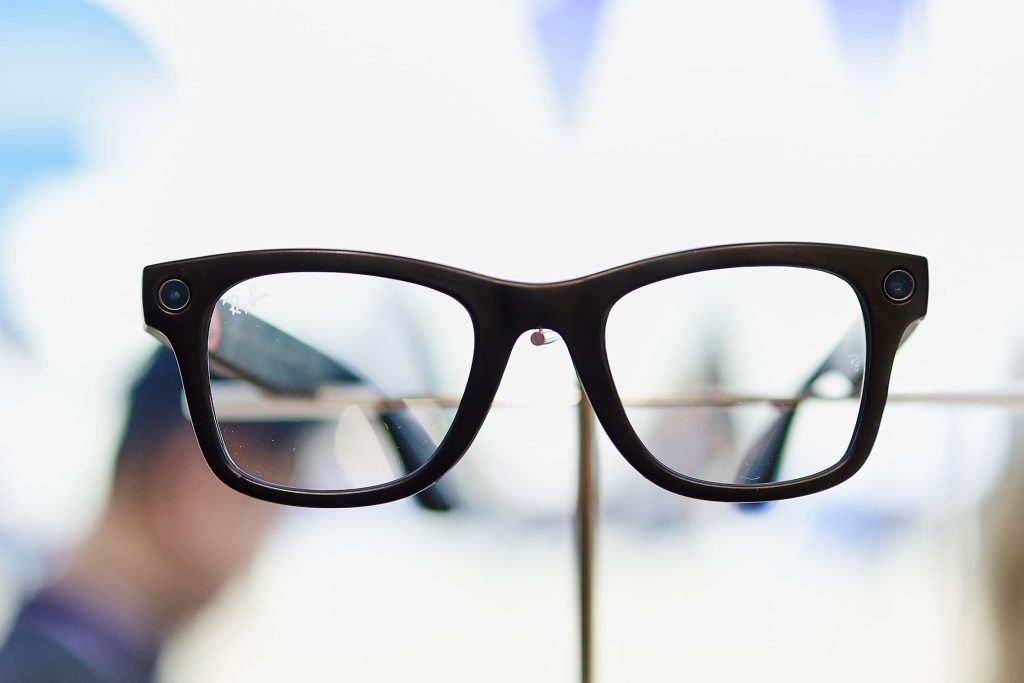
Meta Is Warned That Facial Recognition Glasses Will Arm Sexual Predators
Summary
More than 70 civil-society organisations — including the ACLU, EPIC and Fight for the Future — have urged Meta to abandon plans to add face recognition to Ray-Ban and Oakley smart glasses. The proposed feature, reportedly called “Name Tag”, would let wearers identify people in their field of view via Meta’s AI assistant, either limited to existing contacts or extended to anyone with a public Meta account. Critics say the tech would enable stalking, harassment, and surveillance of vulnerable groups and cannot be made safe through design tweaks or opt-outs.
Key Points
- A coalition of 70+ groups demands Meta scrap the “Name Tag” face-recognition feature for its smart glasses.
- Civil-society letters argue bystanders cannot meaningfully consent to being identified in public spaces.
- Two potential Name Tag modes were reported: recognising only existing contacts, or recognising anyone with a public Meta account.
- Groups call for Meta to disclose any past use of wearables in stalking, harassment or law-enforcement contexts, and to reveal talks with federal agencies.
- Meta has previously wound down some face-recognition products after litigation and regulatory pressure, but critics worry this marks a dangerous return.
- Advocates say incremental safeguards won’t prevent harm in places like protests, clinics, places of worship and support groups.
- Legal and reputational risks for Meta are rising amid recent lawsuits and rulings on platform design and accountability.
Content summary
The article reports on a broad coalition pressing Meta to abandon plans to integrate real-time biometric identification into consumer eyewear. It describes internal company discussions, the two versions of the feature under consideration, and demands for transparency about law-enforcement engagement and any recorded misuse. The piece places the controversy in the context of Meta’s previous face‑recognition shutdown, costly litigation over biometric privacy, and recent legal setbacks for the company.
Context and relevance
This matters because wearable devices paired with powerful identification systems change the balance between anonymity and surveillance in public. The story sits at the intersection of privacy, digital safety, gendered and immigrant vulnerabilities, and corporate responsibility. It also links to wider trends: renewed scrutiny of biometric tech, sharper enforcement by regulators, and growing legal exposure for big tech firms over harms tied to product design.
Why should I read this?
Because if you thought smart-glasses were just a gimmick, think again — this could let strangers ID people silently in crowds. The piece explains who’s at risk, why simple opt-outs won’t cut it, and what civil groups are demanding. Quick read, big implications.
Author style
Punchy and urgent: the reporting bundles legal history, internal leaks and advocacy demands to show this isn’t a minor privacy tweak — it’s a potential safety crisis. If you care about privacy or public safety, the details are worth your time.