
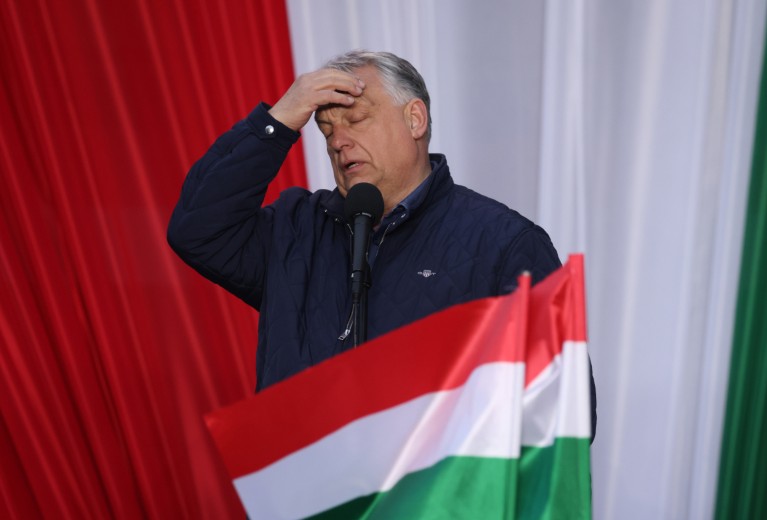
What Orbán’s fall from power means for research around the world
Summary
Viktor Orbán’s electoral defeat after 16 years offers a potential turning point for Hungarian science. His government had centralised control of universities and research bodies, reduced academic autonomy and prompted the EU to freeze roughly €6.3 billion in higher-education and cultural funding. The incoming prime minister, Péter Magyar, and his Tisza party hold a two-thirds parliamentary majority and have pledged to restore checks and balances and mend ties with the EU. Researchers welcome the change but warn that reversing laws alone won’t instantly repair lost trust, social capital or Hungary’s weakened participation in European research programmes.
Key Points
- Orbán oversaw structural changes that curtailed university autonomy, reorganised the Hungarian Academy of Sciences and placed many universities under politically appointed foundation boards.
- The EU froze about €6.3 billion in research and exchange funding for Hungary in 2022, affecting 21 universities and related programmes.
- Péter Magyar’s victory and his pledge to restore the rule of law could unblock EU relations and funding if implemented.
- Rebuilding research capacity requires more than policy reversals: scientists emphasise the need for stability, transparency and restored trust to bring back collaborations and international visitors.
- Hungary under Orbán had become a model for similar political interventions elsewhere and a perceived hub for increased Chinese influence, so the outcome has wider international implications.
Context and relevance
For the international research community, Hungary’s political shift is important because it affects funding flows, collaborative networks and norms around academic freedom. Restoring institutional autonomy would allow Hungarian researchers and universities to rejoin EU initiatives and regain lost partnerships, but experts stress that recuperating reputation and social capital will take time. The election outcome could also signal to other countries that democratic and academic norms can be restored after periods of state interference, influencing broader debates about governance of science in Europe and beyond.
Why should I read this?
Short version: if you care about where research money flows, academic freedom or the health of Europe’s science ecosystem, this matters. The piece explains why one election could loosen funding blocks, revive collaborations and change how governments meddle in universities—but it also tells you why fixes won’t happen overnight. We’ve read it so you don’t have to dig through policy statements.