
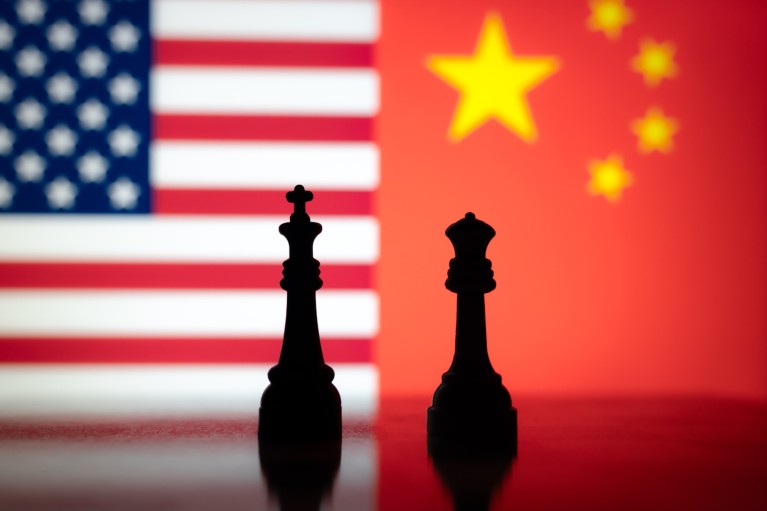
Boycott of major AI conference exposes a growing US–China divide
Article Date: 14 April 2026
Article URL: https://www.nature.com/articles/d41586-026-01058-x
Article Image: Image
Author: Elizabeth Gibney
Summary
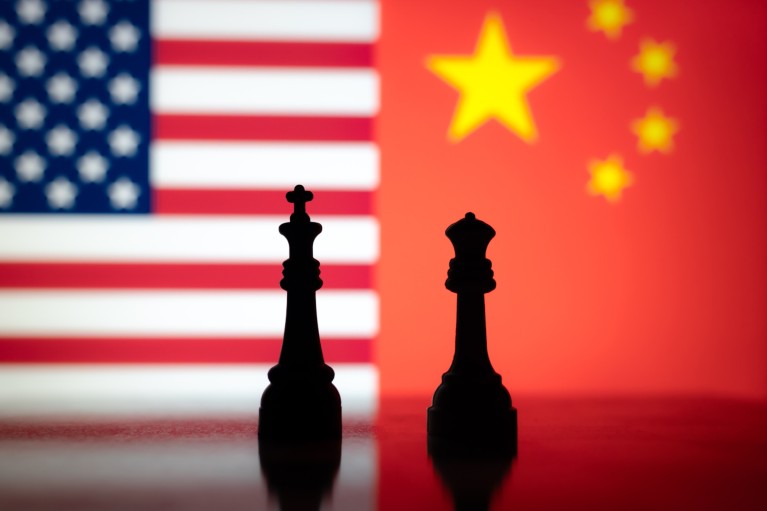
The China Association for Science and Technology (CAST) has announced it will no longer fund researchers to attend NeurIPS after the conference initially introduced a policy that appeared to bar submissions from researchers linked to US‑sanctioned institutions. NeurIPS later apologised and narrowed the restriction, but CAST is maintaining its boycott and will devalue NeurIPS papers in some evaluation processes. The dispute highlights an accelerating rift in AI research ties between China and the United States, at a time when China accounts for a large share of NeurIPS lead authors and overall AI paper volume.
Key Points
- CAST has withdrawn funding for researchers to attend NeurIPS and will downgrade NeurIPS papers in evaluations following an initial exclusionary policy.
- NeurIPS originally said it would reject papers from researchers associated with certain “US‑sanctioned” bodies, then apologised and narrowed the scope.
- China now supplies the largest share of first authors at NeurIPS and publishes the greatest number of AI papers by volume.
- Experts warn that large-scale withdrawal of Chinese authors would seriously weaken NeurIPS and other global AI gatherings.
- The incident is seen as a signal that China may further decouple its AI research ecosystem and prioritise domestic or alternative international venues.
Content summary
The controversy began when NeurIPS announced a policy to reject submissions linked to institutions on a US government sanctions list. The announcement prompted a backlash, social‑media outcry and calls for boycott from several organisations, including CAST and the China Computer Federation (CCF). NeurIPS revised the policy and apologised, but CAST said it would continue its measures, redirecting conference funding elsewhere and warning that NeurIPS papers would count less in key assessments.
Analysts say the move reflects deeper geopolitical tensions: China’s rapidly growing AI research capacity means it can exert leverage by withdrawing access to talent and papers. Observers note that a significant absence of China‑based researchers would materially damage NeurIPS’ scientific programme and standing. The episode also raises questions about academic neutrality, the role of government bodies in research evaluation, and how international conferences manage compliance with national export or sanction rules.
Context and relevance
This story sits at the intersection of geopolitics and scientific collaboration. As AI becomes a strategic technology, policies tied to national security and sanctions increasingly affect where and how researchers can collaborate. For conference organisers, the episode is a warning: broad compliance policies can unintentionally exclude vital contributors and provoke diplomatic‑style responses from major research funders.
For researchers, funders and policy makers, the dispute is a bellwether of possible deeper decoupling—affecting hiring, publication influence and the global exchange of ideas. It also matters for institutions that use conference papers in promotions and assessments: changing the weight of NeurIPS outputs could reshape incentives and career trajectories for AI researchers in China.
Author style
Punchy: this is not just a conference tiff — it’s a sign that AI research is being rewired by politics. Read the detail if you want to understand how policy moves on one side of the Pacific ripple through the global research ecosystem.
Why should I read this
Short version — if you care who shows up at the world’s top AI gatherings (and which papers count on CVs), this matters. It’s a neat snapshot of how politics is already changing scientific life: funding, evaluation and even where good ideas get heard. Quick read, big implications.