
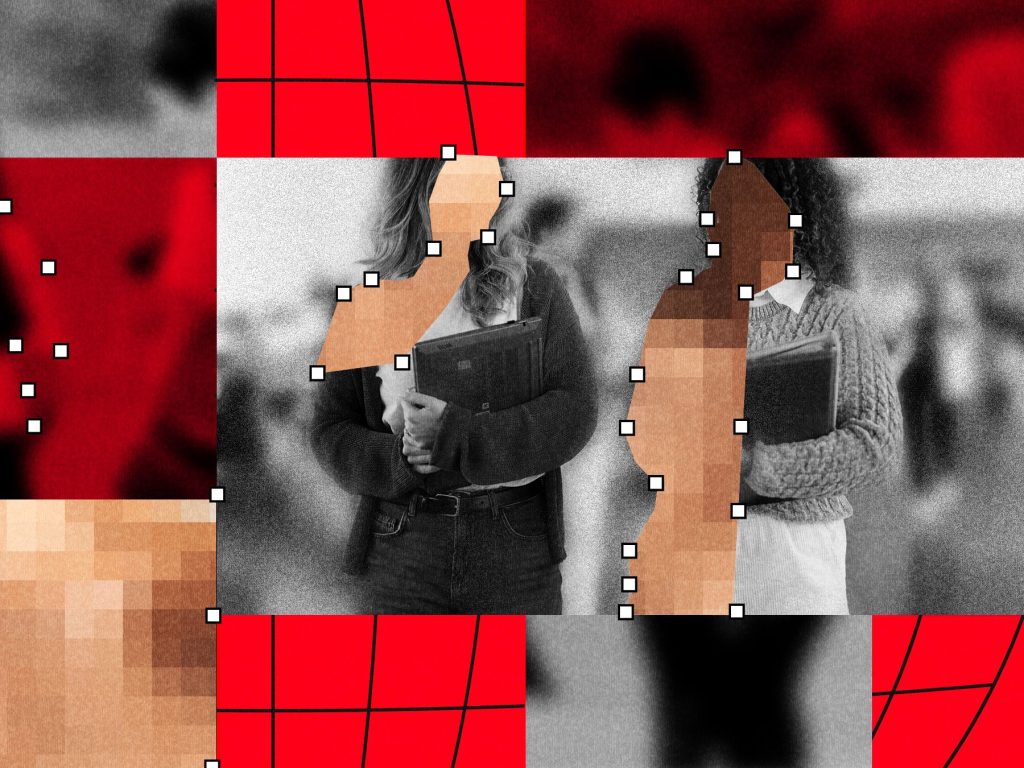
The Deepfake Nudes Crisis in Schools Is Much Worse Than You Thought
Summary
WIRED, working with Indicator, analysed publicly reported cases and found nearly 90 schools and about 600 pupils worldwide affected by AI-generated sexual deepfakes. The abuse typically starts with photos taken from social media and processed through easy-to-use “nudify” apps to create fake nude images or videos. Victims—mostly teenage girls—report humiliation, distress and fear that the images will circulate indefinitely. Reported incidents span at least 28 countries since 2023, but research from UNICEF and child-protection groups suggests the true scale is much larger.
Responses from schools, law enforcement and platforms are inconsistent: some incidents see criminal charges and legal action, others face delays or weak sanctions. Some schools are changing policies—removing students’ photos from yearbooks or social channels—to reduce risks. The piece also highlights how teachers have been targeted and how gendered power dynamics and adolescent social behaviour feed this harm.
Key Points
- WIRED and Indicator identified roughly 90 schools and ~600 students publicly affected by AI sexual deepfakes; the real numbers are likely higher.
- Attacks usually begin with publicly available social-media photos and are executed with accessible nudify apps; teenage boys are commonly alleged creators.
- Deepfakes of minors constitute child sexual abuse material (CSAM); legal responses vary by jurisdiction and are often slow or inconsistent.
- UNICEF, Thorn and other studies indicate widespread prevalence and awareness among young people, signalling a systemic problem.
- Schools are adopting defensive measures (altered yearbooks, restricted posting) and training, but many lack crisis readiness and digital-forensic capability.
- Motivations range from humiliation and social control to revenge or dares; it’s not solely about sexual gratification, and entrenched gender dynamics exacerbate harm.
Why should I read this?
Short version: this isn’t just an online horror story — it’s happening in classrooms. Quick, easy-to-use AI tools are being weaponised against kids and adults are still playing catch-up. Read this to know how bad it is, what schools are doing (and not doing), and what you should push for next.
Context and Relevance
This article is essential reading for parents, teachers, school leaders, safeguarding professionals and policymakers. It ties on-the-ground incidents to wider trends: generative AI lowers technical barriers, multiplying scale and speed of non-consensual imagery. The reporting connects research, legal developments (like the Take It Down Act), and real cases to show gaps in preparedness, enforcement and support. Practical implications include the need for clearer school policies, faster platform takedowns, better training, and mental-health support for victims.
Author style
Punchy — WIRED stitches data, expert comment and hard case studies into a clear, urgent narrative so you get the full picture without the filler.
Source
Source: https://www.wired.com/story/deepfake-nudify-schools-global-crisis/